
While campaigning in Luuka District on October 1, 2025, National Unity Platform (NUP) presidential candidate Robert Kyagulanyi dismissed the Parish Development Model (PDM), vowing to freeze it if elected. He argued that the funds would be better redirected to education and health.
This statement raises serious questions. Was it made in haste, without proper understanding of the policy? Or is it an attempt to downplay a program that is visibly transforming livelihoods across the country?
Even if Uganda invested half of its national budget in health and education, those sectors alone would not lift citizens out of poverty. Schools and hospitals are essential, but without access to capital, financial literacy, and income-generating opportunities, millions would remain trapped in subsistence living.
That is precisely what PDM seeks to change.
President Yoweri Museveni realized early on that infrastructure development must be complemented by deliberate economic empowerment. Long before PDM, initiatives such as Entandikwa, Bona Bagagawale, Operation Wealth Creation, Emyooga, and Youth Livelihood provided capital to ordinary Ugandans.

While critics have often dismissed these interventions, they conveniently forget the results. According to the National Household Survey 2023/2024, national poverty levels have fallen to 16.1%. Uganda is now Africa’s leading coffee exporter and a regional supplier of maize, milk, beans, and other produce.

To understand PDM’s philosophy, Kyagulanyi would do well to study Professor Muhammad Yunus of Bangladesh, the pioneer of global microfinance. In 1976, Yunus personally lent $27 to 42 village women who lacked access to credit. His idea evolved into Grameen Bank, which has since disbursed over $30 billion in small loans, lifting millions out of poverty without handouts.
Like Grameen, PDM empowers the economically excluded. Launched in 2022, it targets the 39% of Ugandan’s still stuck in subsistence livelihoods. Each of Uganda’s 10,594 parishes receives Shs 100 million annually through Parish SACCOs, while Greater Kampala parishes will soon receive Shs 300 million. Special provisions exist for women, persons with disabilities, village leaders, and religious figures.
PDM is not just about distributing money. It emphasizes financial discipline, accountability, savings culture, and reinvestment, the very principles that made Yunus’s model globally successful. It focuses on women’s economic inclusion and builds financial literacy at the lowest community level.
That is why Kyagulanyi must approach PDM with caution and humility. Rather than promising to freeze it, a responsible leader should study what works, build on it, and improve it where necessary.
Uganda does not need a president who tears down existing progress, we need one who understands that poverty eradication requires both social services and economic empowerment.
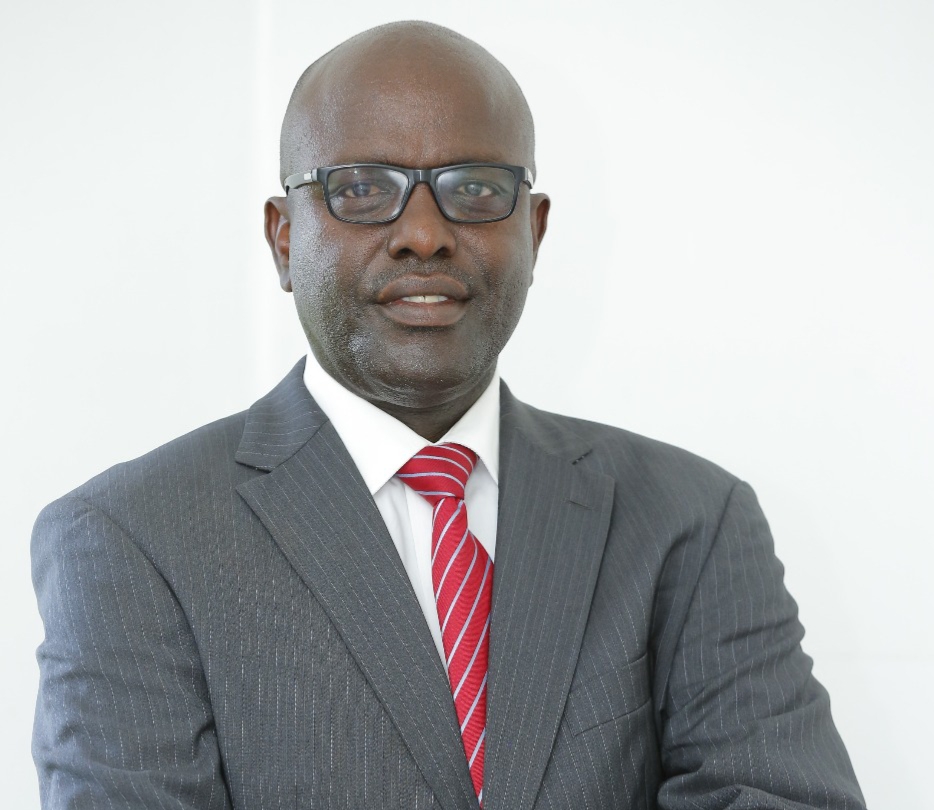
The Writer Obed Katureebe, is the Acting Executive Director, Uganda Media Center.