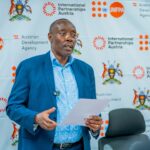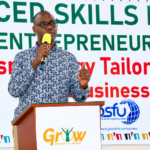






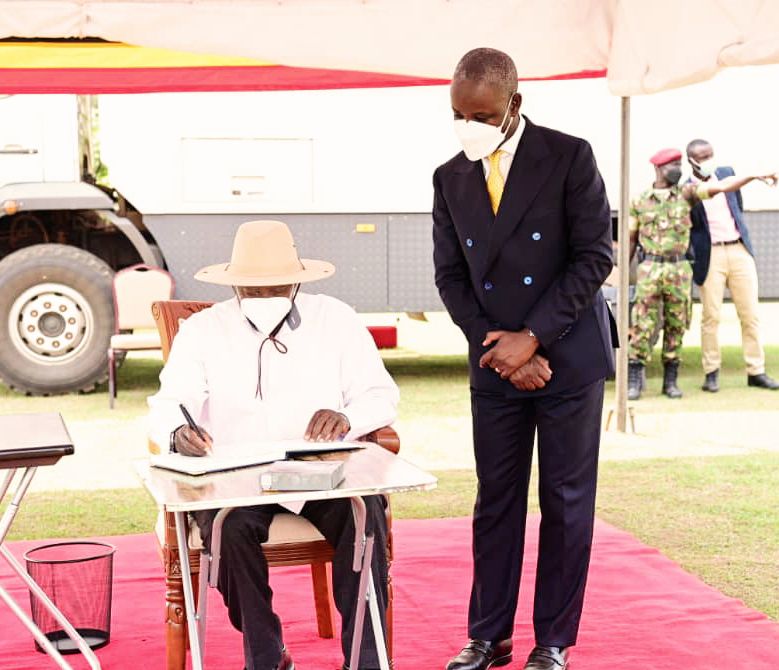

Deputy Speaker of Parliament Thomas Tayebwa has revealed that he once operated a lucrative money-lending business, claiming that nearly 60 per cent of MPs and Cabinet ministers borrowed money from him during his first term in Parliament.
Tayebwa made the revelation on Friday, October 23, 2026, during an inter-religious thanksgiving service for the 12th Parliament, where he urged legislators to adopt better saving and investment habits.
He said his lending business thrived during the 10th Parliament, which served from 2016 to 2021, after he made substantial earnings from business ventures in South Sudan.
“In the 10th Parliament I was a money lender. I had a lot of money. Nearly 60% of Parliament and cabinet owed me money. I was a big money lender doing well. I had just come from South Sudan. Money was flowing,” Tayebwa said.
The Deputy Speaker, who entered Parliament in 2016 as Ruhinda North MP, cited his experience to encourage fellow legislators to invest their earnings and establish alternative sources of income instead of relying solely on parliamentary salaries and allowances.
He warned that some MPs spend their earnings poorly or venture into businesses that fail, leaving them financially vulnerable after losing their parliamentary seats.

“I have colleagues who just left parliament the other day but they are already lining up in our offices because they are in trouble. They have no school fees or money for medicine,” he said.
Tayebwa urged legislators to recognise investment opportunities while still in office and make plans for life after Parliament.
“You must learn to smell money especially if you are an MP, earning what we earn,” he said.
He also recounted an unsuccessful attempt during the 11th Parliament to persuade nine fellow MPs to join him in a Shs10 billion property development project.Under the proposed arrangement, each investor would contribute Shs1 billion towards purchasing land and constructing residential apartments.
Tayebwa said he had identified an acre of land in Naguru, Kampala, which a friend was willing to sell for $800,000, approximately Shs2.5 billion at the time. The remaining Shs7.5 billion would be used to construct 30 apartments.
His plan was to sell 20 apartments to recover the group’s investment, with each investor retaining one apartment valued at about Shs1 billion. Proceeds from the sales would then support another development on a separate acre of land.He believed the group could repeat the investment cycle three times within a five-year parliamentary term, potentially building substantial wealth through collective investment.
However, the plan failed after most of the MPs declined to participate. According to Tayebwa, only about three legislators expressed interest in contributing, leaving the proposed venture without sufficient capital.He blamed the setback on a reluctance among Ugandans to pool resources for large-scale investments, arguing that many prefer to own businesses independently.
“It did not want to work out because people like to do things by themselves, own 100% of their companies,” he said.
Comparing Uganda with Kenya, Tayebwa argued that joint ownership can help investors undertake projects that may be difficult to finance individually.
“If you go to Kenya, every matatu, all the skyscrapers are owned by groups not by individuals. The problem we have is that we want to do it all alone,” he said.