
Summary:
The 4-acre model was introduced following regional tours undertaken by President Museveni in May 2019. It advocates for the cultivation of coffee, fruits, and food crops, alongside zero-grazing dairy cattle, poultry, piggery, and fish farming to enhance prosperity.
RUKIGA: Small-scale farmers in Rukiga District are advocating for the adaptation of the 4-acre farming model to better suit 2-acre and 1-acre land holdings due to increasing land fragmentation in the district and across the Kigezi sub-region.
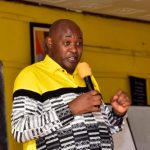
Eliab Abaasa Bamwenda, the National Leader of “Youth for Kaguta 2026” and a farmer in Kamwezi Subcounty, Rukiga District, states that while the introduction of the 4-acre model has been beneficial, it does not adequately address the realities faced by many farmers with smaller plots of land, especially in Rukiga District and the broader Kigezi sub-region.

According to Abaasa, there is a need to integrate the model to accommodate all Ugandan farmers, ensuring inclusivity and contributing to the eradication of poverty at the household level.

“Many farmers in our region own less than four acres due to land fragmentation. To effectively combat poverty, agricultural models must reflect the realities on the ground,” Abaasa noted.
He highlighted that most farmers are not well-informed about the 4-acre model program but show significant interest in it. Based on a survey he conducted, Abaasa believes that adapting the model to suit 2-acre and 1-acre plots would be more beneficial to farmers in the Kigezi sub-region, especially if they receive financial support from the government.
“Most of the farmers who have approached us lack knowledge about the 4-acre model. Some don’t even know where to start, but they are interested. They resonate with the President’s message on the 4-acre model but are not financially stable. They believe that with government support, they can embrace the 2-acre or 1-acre model,” he said.
He added, “Some farmers don’t even know the size of an acre. They need guidance on how the 2-acre and 1-acre models work. Personally, I have tried both models and found that they yield more for families with limited land.”
Abaasa emphasized that since land is a primary factor of production, it should be used productively. He encouraged farmers to embrace the President’s message of not working solely for subsistence but also for income generation.
He called on law enforcement officers to take action against individuals who sabotage government programs and misuse funds intended for household poverty eradication.
CUE IN ABAASA……ON INTERGRATION………RR/ENG//
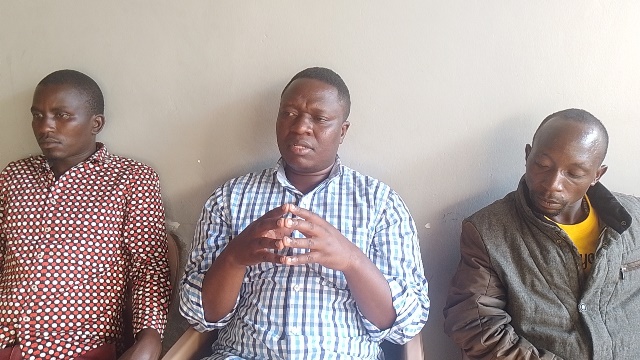
Farmers, led by Niwamanya Deus Kajwiga, the chairperson of the Rukiga Small-Scale Farmers Group, echoed these sentiments. Kajwiga noted that many families in Rukiga own less than an acre of land, but with productive use, they can rise out of poverty.
Wensi Aharituhera, a member of the group, expressed frustration that some individuals register for poverty eradication programs but fail to use the funds as intended. He urged the government to consistently educate people on the productive use of financial resources.
CUE IN FARMERS…..ON THE MATTER…….RR//
The 4-acre model was introduced following regional tours undertaken by President Museveni in May 2019. The model focuses on skills development and capacity building in commercial agriculture, manufacturing, ICT, and services. The initiative aims to create wealth and jobs, foster growth in household incomes, and promote industrialization as a key economic driver.
President Museveni’s 4-acre model advocates for the cultivation of coffee, fruits, and food crops, alongside zero-grazing dairy cattle, poultry, piggery, and fish farming to enhance prosperity.