The Ministry of Agriculture, Animal Industry and Fisheries (MAAIF), through the Uganda Climate Smart Agriculture Transformation Project (UCSATP), has embarked on a socio-economic vulnerability assessment to develop targeted interventions for the Batwa community in Kabale District.
The assessment aims to ensure that the Batwa, a recognized minority group in southwestern Uganda, are fully included among the project’s beneficiaries.
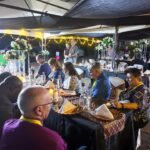
Speaking during a stakeholder engagement meeting held at the Kabale District boardroom on Tuesday, Moses Anguria, the Senior Social Development Officer for UCSATP, said the study will determine whether the Batwa are adequately represented under the project’s selection criteria and value chains in Butanda Sub-county.
He said that the assessment will examine whether the Batwa are benefiting from project components such as co-funding arrangements and group formation requirements for beneficiary farmers.
He explained that findings will guide decision-makers in designing more inclusive interventions that directly support the Batwa community.

He added that the World Bank, which funds the project, places strong emphasis on inclusivity to ensure that minority and vulnerable groups like the Batwa are not left behind.

Kabale District is one of the beneficiaries of the Uganda Climate Smart Agriculture Transformation Project, which promotes sustainable agricultural practices and enhances resilience to climate change. The district hosts several Batwa settlements, particularly in Butanda Sub-county.
Anguria noted that following the district-level consultations, the assessment team will engage directly with Batwa communities to capture their experiences and recommendations on how they can best be integrated into the project’s implementation.
CUE IN ANGURIA….ON BATWA ASSESSMENT……ENG//
Meanwhile, Ronald Mutegeki, the Kabale District Chief Administrative Officer, said the findings from the assessment should inform policies that establish special programs for minority groups who are often excluded from mainstream government initiatives.
“The Batwa and other minority groups continue to face numerous challenges due to their vulnerability,” Mutegeki said. “It’s important that government develops mechanisms to support their survival and development like other citizens.”
On his part, Nelson Nshangabasheija, the Kabale District LC5 Chairperson, urged government to allocate specific budgetary provisions for the Batwa community, noting that their unique needs require deliberate attention.
“As we enter the budgeting period, there is need to set aside a specific vote to address the welfare and well-being of the Batwa,” he remarked.
The vulnerability assessment is expected to generate actionable recommendations that will help MAAIF and its partners design inclusive agricultural programs that ensure no community is left behind.