
Summary:
Minister Musasizi expressed appreciation for the World Bank’s continued focus on critical economic and social development areas, reaffirming the government’s resolve to enhance the country’s economic resilience and human capital.
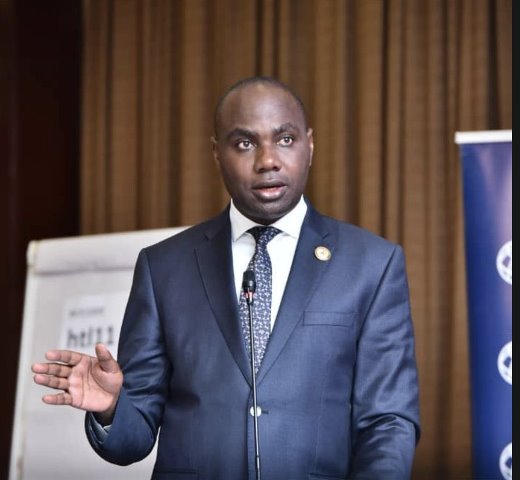
KAMPALA: Minister of Finance (General Duties) Henry Musasizi has reiterated the government’s commitment to addressing the high cost of credit, a key challenge hindering private sector growth.
Speaking at the launch of the 24th edition of the Uganda Economic Update in Kampala on Monday, Musasizi highlighted that Uganda’s economy has fully recovered from multiple shocks, including the COVID-19 pandemic, rising global commodity prices, and the effects of climate change.

To support private sector growth, he emphasized the government’s efforts to provide affordable credit at interest rates not exceeding 12% through initiatives such as the Uganda Development Bank, Parish Development Model, Microfinance Support Center, Agricultural Credit Facility, Emyooga, Uganda Development Corporation capitalization, and World Bank-supported projects like Investment for Industrial Transformation and Employment (INVITE) and Generating Growth Opportunities and Productivity for Women Enterprises (GROW).

Minister Musasizi commended the World Bank for its continued support and acknowledged the Uganda Economic Update’s role in providing insights into the country’s economic trajectory. The latest edition focuses on Early Childhood Development (ECD), a priority area under the National Development Plan IV (NDP IV).
He reaffirmed the government’s commitment to implementing the National Integrated Early Childhood Development (NIECD) framework, stressing its importance in strengthening human capital. He called on stakeholders to support its implementation.
The Finance Ministry, he noted, will review the report’s key recommendations and collaborate with the World Bank and other relevant stakeholders to ensure phased implementation.
“Government is committed to improving human capital as a cornerstone of national development. Despite resource constraints, we have allocated the largest share of the budget to human capital development. Programs like Universal Primary Education (UPE), Universal Secondary Education (USE), Primary Health Care (PHC), and Water, Sanitation, and Hygiene (WASH) have yielded significant results, though challenges remain, particularly in improving service delivery quality,” he stated.
Minister Musasizi expressed appreciation for the World Bank’s continued focus on critical economic and social development areas, reaffirming the government’s resolve to enhance the country’s economic resilience and human capital.