
Protection of Sovereignty Bill 2026 has continued to ignite a fierce national debate, with the Forum for Democratic Change (FDC) branding it a “death warrant” for democracy, civil liberties, and the very livelihoods of ordinary Ugandan’s.
At stake is not only the rights of street vendors and the diaspora, but the balance of power between Parliament, the executive, and the citizenry, a constitutional test that speaks directly to Uganda’s role as a semi‑authoritarian hybrid regime in a global age of democratic backsliding and digital surveillance.
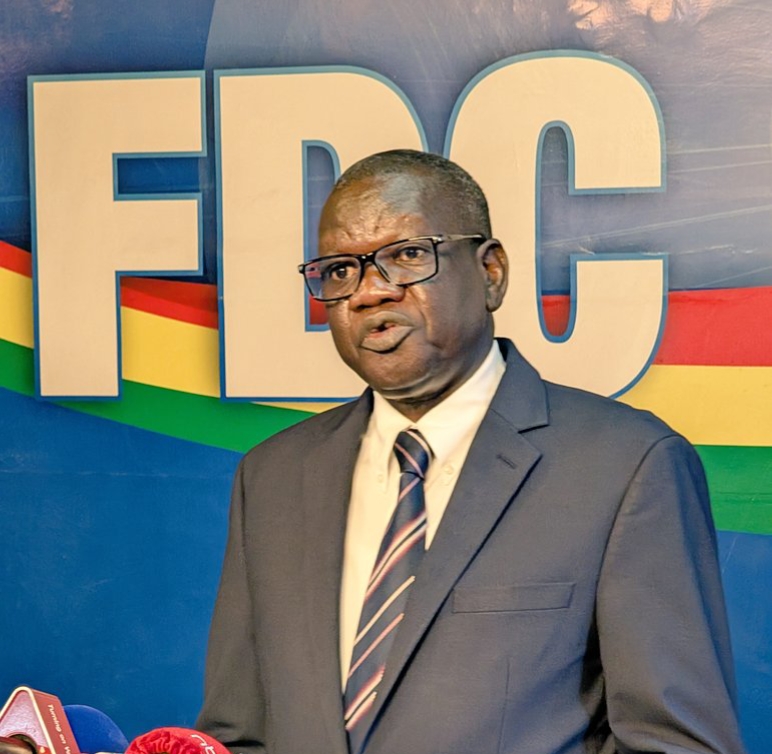
The FDC’s condemnation, delivered at its Kampala headquarters on Monday 27 April, 2026, explicitly links the new bill to what it calls a pattern of “recklessness” by the National Resistance Movement (NRM) government.
The party cites the recent evictions and demolitions of street vendors by Kampala Capital City Authority (KCCA) as a microcosm of how the state treats the poor, permitting informal structures on road reserves, then suddenly destroying them without offering alternatives, effectively erasing livelihoods in the name of “order.”
In his remarks, the FDC President Eng. Patrick Oboi Amuriat argued that the government’s selective rigidity, allowing containers to be erected for years, then demolishing them late, reveals a deeper regime problem that ignores the voices of the common citizen until after the damage is done.

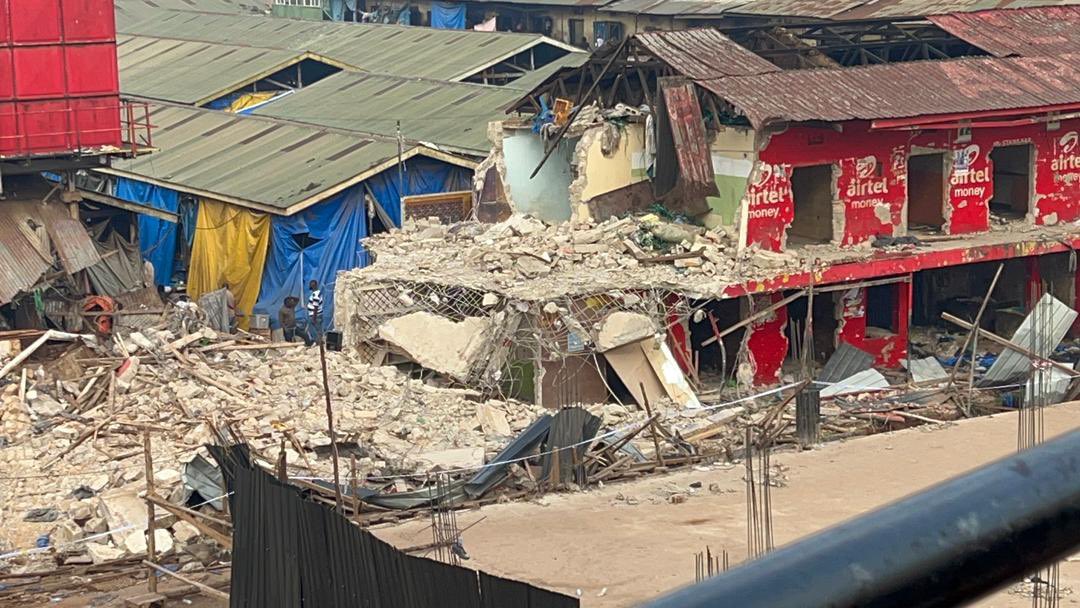
The party demands full accountability for destroyed property and immediate compensation, insisting that street vending is not a crime and that the city must serve both the rich and the poor. That framing subtly elevates the vendors’ plight from a local planning issue to a human‑rights and economic‑justice question, dovetailing neatly with the broader critique of the Sovereignty Bill.

The Protection of Sovereignty Bill 2026 was tabled in Parliament on April 15, 2026, by the State Minister for Internal Affairs, Gen. David Muhoozi. Its stated objective is to “safeguard Uganda’s national interests by regulating foreign influence” and to define an “agent of a foreigner” who might threaten the country’s political, economic, or social stability.
However, governance experts and rights activits argue that the bill’s broad, vaguely defined clauses create a legal architecture that could be weaponized against dissent, independent media, civil society, and research institutions.
Several key provisions drive the opposition’s alarm:
Clause 1 and the “foreigner” label: The bill defines a “foreigner” to include “a Ugandan citizen residing outside Uganda,” effectively reclassifying an estimated 1.5 million Ugandans in the diaspora as foreigners. This reclassification, the FDC argues, breaches Articles 15 (right to private property) and 21 (equality and non‑discrimination) of the Constitution, because it subjects citizens to intrusive controls on sending money home and receiving foreign support.
Clause 13 and “economic sabotage”: The clause criminalizes any publication or participation in activities that “weaken or damage the economic system or viability of the country,” punishable by up to 20 years in prison; it appears to dispense with intent and truth as defenses.
Funding caps and research: The bill proposes a cap of roughly 400 million Ugandan shillings on foreign‑linked support per year unless the Minister of Internal Affairs grants prior approval, a move that universities such as Makerere, Gulu, and Mbarara warn could cripple research funded by international grants.
The FDC’s legal critique centers on the assertion that the bill is not only unnecessary but constitutionally suspect. Party leaders point to existing legislation, such as the Anti‑Money Laundering Act (2013, as amended), the Anti‑Terrorism Act (2002), the NGO Act (2016), and the Political Parties and Organizations Act, as already covering the issues the Sovereignty Bill purports to address: financial transparency, foreign influence, and security.
From a constitutional‑law perspective, the bill’s treatment of Ugandans abroad as “foreigners” risks running afoul of Article 21 (equality) and Article 15 (property and economic rights), since it imposes differential burdens on citizens purely because of their residence.
At the same time, broad restrictions on truth‑telling under Clause 13 appear to clash with Article 29(1)(a), which guarantees freedom of expression, and with Uganda’s international obligations under the International Covenant on Civil and Political Rights (ICCPR).
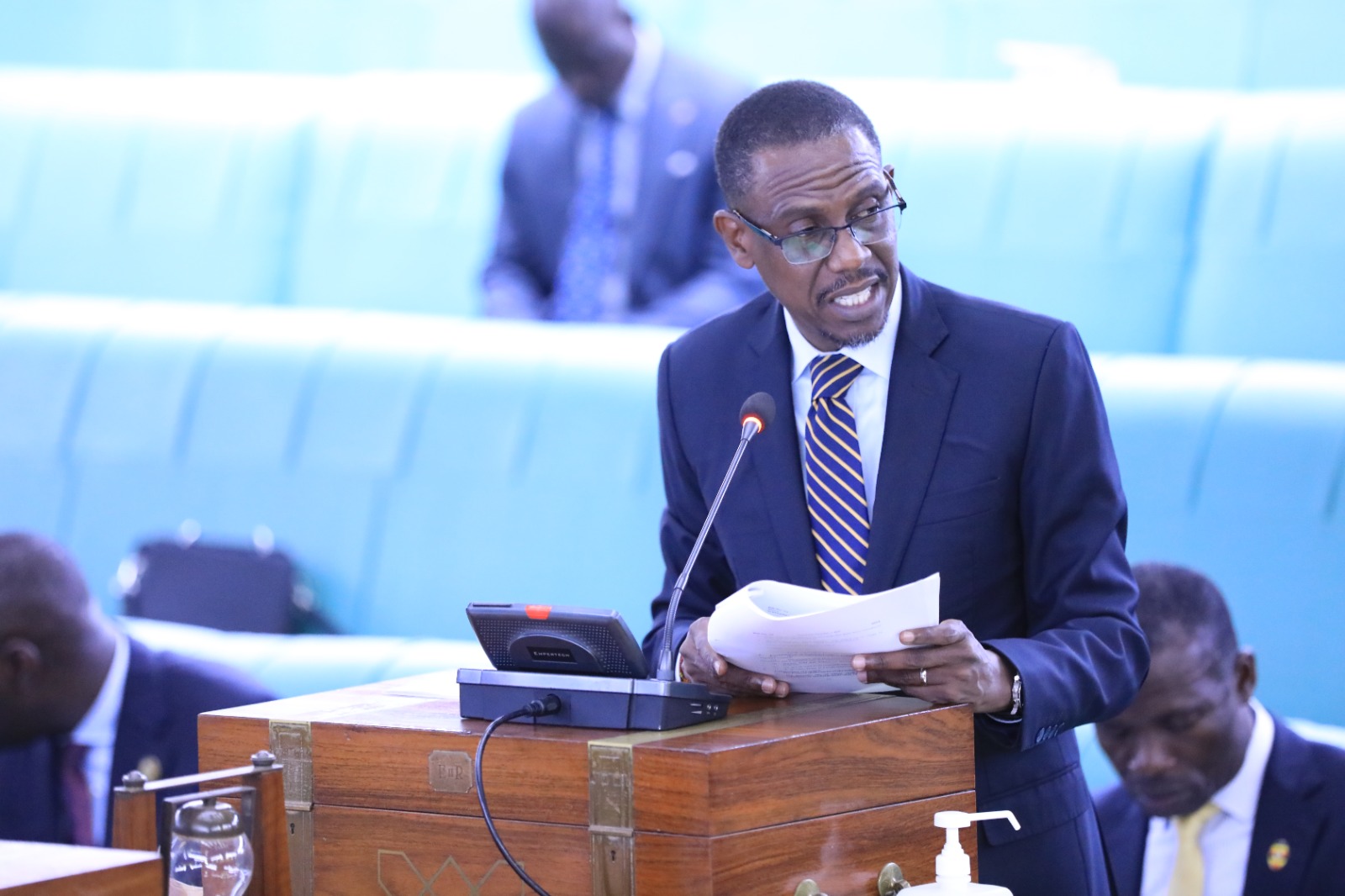
The Attorney General, Kiryowa Kiwanuka, has countered that the bill does not “ban” foreign funding but merely regulates it to prevent foreign interference in Uganda’s policies; he insists that foreign donors would still be allowed to support “productive” projects as long as they register and comply with ministerial rules.
Yet civil‑society memoranda and legal alerts warn that the executive’s wide discretion in designating “agents of foreigners” and setting approval thresholds could create a de facto licensing regime for dissent.
The FDC deliberately juxtaposes the KCCA demolitions with the rushed tabling of the Sovereignty Bill to underscore what it sees as a pattern of executive overreach unchecked by oversight.
The party challenges Parliament to exercise its constitutional mandate under Article 80 (representation and oversight) and Article 79(1) (appropriation of public funds) with equal rigor when scrutinizing the suffering of evicted vendors and the rights‑bending provisions of the new bill.
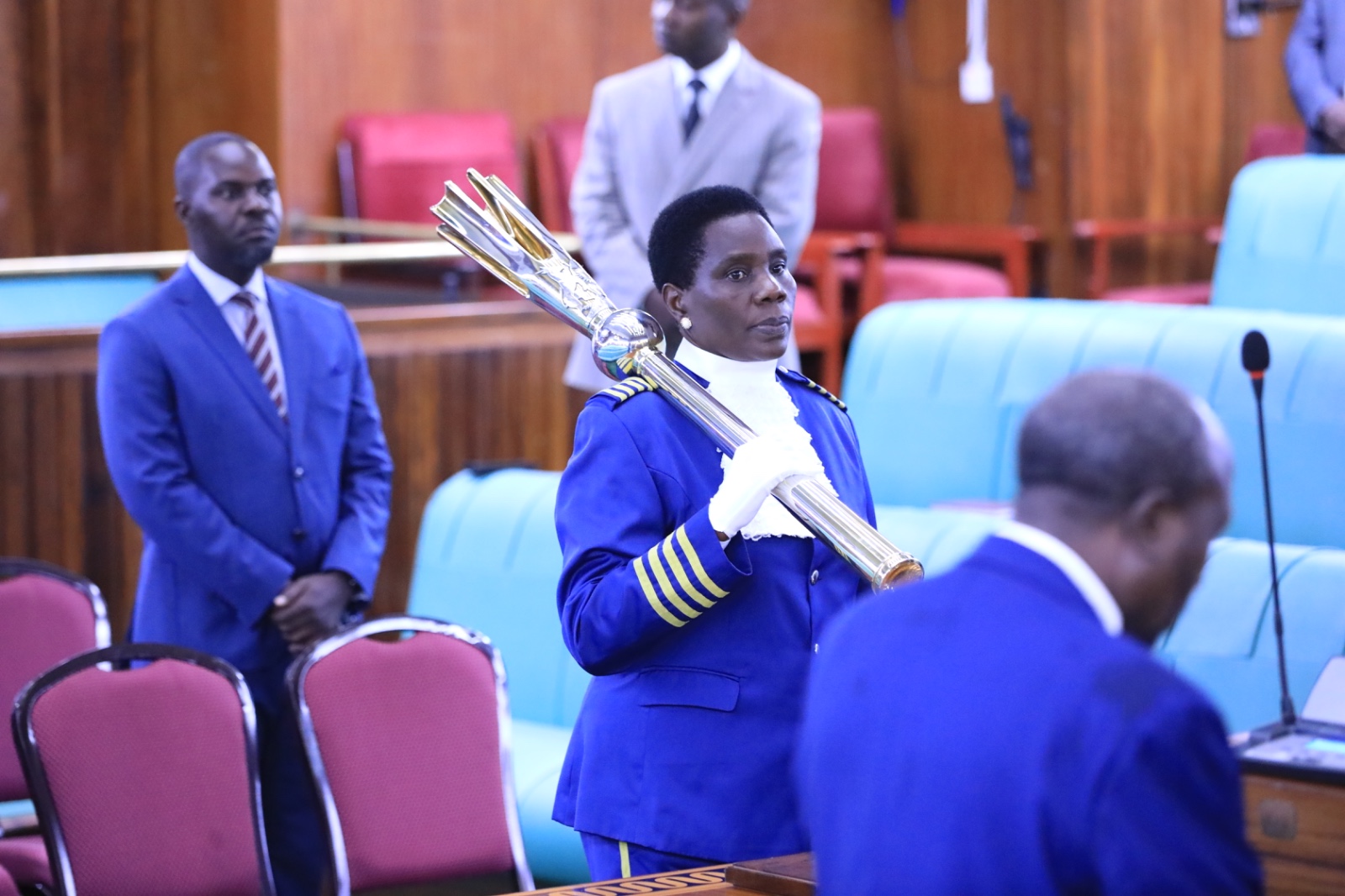
The FDC’s call for “urgent” hearings on both the evictions and the Sovereignty Bill is thus also a plea for Parliament to reclaim its oversight role, rather than acting as a rubber‑stamp for the NRM’s agenda.
Behind the FDC’s political campaign is a broader coalition of civil‑society organizations, human‑rights defenders, journalist associations, and universities. Human‑rights groups have warned that the bill’s “foreigner” and “agent” definitions could be used to criminalize activism, especially when NGOs and watchdogs rely on foreign donors for research and advocacy.
Journalist associations have singled out Clause 13, arguing that a 20‑year prison sentence for publishing “truthful information” about economic weaknesses would have a chilling effect on investigative reporting and investor confidence.
Academic institutions, including Makerere, Gulu, and Mbarara, have submitted memoranda stressing that international grants, often running into tens of billions of shillings annually, form the backbone of advanced research in health, climate, and technology. A cap of 400 million shillings, even if softened through ministerial exceptions, would effectively freeze cross‑border collaboration and innovation.
The potential reclassification of 1.5 million Ugandans abroad as “foreigners” is perhaps the bill’s most explosively symbolic move. Ugandan diaspora communities contribute significantly to the economy through remittances, estimated at over 1 billion U.S. dollars annually, which constitute roughly 2–3 percent of GDP.
By framing these citizens as “foreigners,” the bill not only raises fears of increased bureaucratic hurdles for sending money home but also strikes at the emotional core of post‑colonial nationalism: the idea that citizenship is a sacred bond, not a contingent status.
Diaspora leaders and legal commentators have asked how the same government that demands “sovereignty” can remain heavily reliant on foreign aid for its own budget while seeking to criminalize foreign funding for citizens. This irony is precisely what the FDC President evokes when he says the bill “creates no new value” and warns that power ultimately lies in the hands of the people under Article 1 of the Constitution.
Constitutional lawyers and governance analysts quoted in legal alerts describe the Protection of Sovereignty Bill as “discretion dressed as law,” because its sweeping ministerial powers sidestep the checks and balances that normally accompany criminal‑law reform.
One legal expert told a Kampala‑based news outlet that the bill’s drafting echoes similar “foreign influence” laws in Russia and some African states, where governments have used “sovereignty” rhetoric to justify closing civic space.
For a global audience, the story of Kampala’s evicted vendors and Uganda’s diaspora is both uniquely local and broadly emblematic. It mirrors wider debates in democracies and hybrid regimes about how much security can be traded for freedom, and how the law shapes the relationship between the state, the economy, and everyday life.
As a veteran Ugandan journalist Charles Onyango-Obbo put it bluntly: “This bill does not guard the border. It builds a fence around your mind, your wallet, and your mouth.”