
A shortage of medical specialists at Mulago Specialised Women and Neonatal Hospital is forcing premature and critically ill newborns to be transferred to other health facilities, a situation doctors warn exposes the infants to serious health risks.
The Acting Executive Director, Dr Sam Ononge, told Parliament that the hospital lacks key specialists needed to manage many of the babies admitted to its Neonatal Intensive Care Unit (NICU).
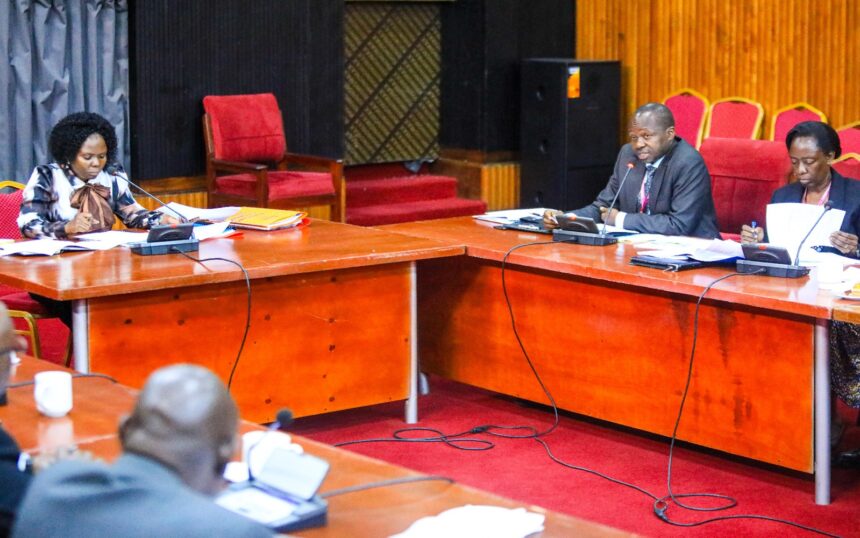
Appearing before the Public Accounts Committee (Central Government) on Tuesday, March 17, 2026, Dr Ononge revealed that more than half of the newborns admitted require specialised care that the hospital cannot currently provide.
He explained that about 45 percent of babies admitted to the NICU are premature, born before 32 weeks, and require specialised eye examinations to detect complications associated with premature birth.
“Forty-five percent of our babies who are admitted in the NICU are pre-terms, less than 32 weeks, and they require their eyes to be checked. We do not have a specialist doctor to check these babies’ eyes,” Dr Ononge said.

Because of the gap, some infants are referred to other hospitals such as Mengo Hospital and St. Francis Hospital Nsambya for specialised care.

Dr Ononge warned that the transfers expose fragile newborns to additional risks including infections and cold temperatures during transportation.
“The danger is that the baby may survive but later become blind, which is a disability,” he said.
The absence of certain specialists has also forced the hospital to refer newborns requiring surgery to Mulago National Referral Hospital, another process doctors say can be dangerous for critically ill infants.
In addition to the shortage of specialists, the hospital is also grappling with severe staffing shortages in the NICU. Dr Ononge said the current ratio stands at one nurse to six babies, far above recommended levels.
“As we stand now, we are like one nurse to six babies which is unbearable. The staff are getting burnt out and you can easily make mistakes when providing services,” he said.
Dr Ononge urged Members of Parliament to support efforts to increase staffing levels to at least 60 percent of the required workforce.
Meanwhile, the hospital plans to establish a paediatric centre and expand its In-Vitro Fertilisation (IVF) services, which have already resulted in successful births. The facility also plans to start accepting donors to support the growing IVF programme.
Deputy Chairperson of the committee, Gorreth Namugga, called on government to prioritise funding for the women’s hospital and recruit more specialists.
“If government can provide finances to other sectors, the women’s facility should be a priority,” Namugga said.
However, she cautioned against completely waiving medical fees for patients who cannot afford treatment, suggesting that services should instead be subsidised to avoid misuse of the system.