
Preparations are in high gear as Uganda marks 63 years of Independence on Thursday, October 9, 2025, with national celebrations set to take place at Kololo Independence Grounds starting at 9:00 a.m.
This year’s celebrations will be held under the theme:
“63 Years of Independence: A Reason to Double Our Effort in Sustaining a United and Progressive Nation.”
The Guest of Honour, President Yoweri Kaguta Museveni, will preside over the colourful ceremony, which is expected to attract dignitaries from within and outside Uganda, including high-level delegations from Russia, Libya, and the United Arab Emirates.
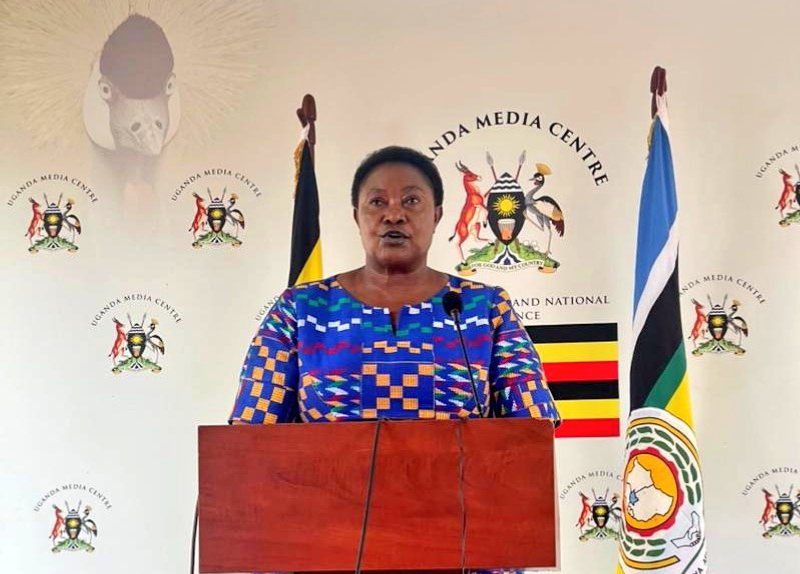
According to the Minister for the Presidency, Hon. Milly Babirye Babalanda, this year’s celebrations will be particularly vibrant. Members of the Uganda People’s Defence Forces (UPDF), Uganda Police Force, Uganda Prisons Service, and the Uganda Wildlife Authority have concluded rehearsals for a spectacular parade and entertainment show.
“Ugandans should come to Kololo in big numbers to celebrate, enjoy, and be entertained as we reflect on our country’s remarkable journey,” Minister Babalanda said.
During the celebrations, President Museveni will honour 23 distinguished Ugandans with medals in recognition of their extraordinary service and contribution to the nation’s progress.

A Journey from Colonial Rule to National Progress
On October 9, 1962, Uganda achieved independence from British colonial rule, a moment that united citizens across all regions and backgrounds. The day symbolized freedom, self-governance, and the hope of building a prosperous nation.

Among the early independence heroes were Ignatius Kangave Musaazi, who founded the Uganda National Congress (UNC) in 1952; Benedict Kiwanuka, Uganda’s first Prime Minister; Sir William Wilberforce Nadiope, a delegate to the Lancaster Conference in 1961; and Semakula Mulumba, a vocal critic of colonial rule. These and many others laid the foundation for Uganda’s sovereignty.
Overcoming Challenges and Building a Stronger Uganda
While Uganda’s post-independence journey faced setbacks—such as political instability in the 1960s and 1970s—the country began a steady recovery following the rise of the National Resistance Movement (NRM) government in 1986 under President Museveni.
Since then, Uganda has achieved significant milestones in economic growth, infrastructure development, and governance reforms. Over the past 30 years, the economy has expanded steadily, growing at an average of 6% annually, with the GDP now estimated at UGX 226.3 trillion (USD 61.3 billion).
The growth has been broad-based across key sectors such as agriculture, industry, ICT, health, education, and tourism—bringing Uganda closer to achieving upper-middle-income status.
Regional Integration and Economic Transformation
Uganda continues to play an active role in regional and continental development. A major milestone was achieved in July 2024 when the Tripartite Free Trade Area (TFTA)—bringing together COMESA, EAC, and SADC—officially came into force. This integration opens up vast trade and investment opportunities across Africa.
In partnership with the African Union (AU), the East African Community (EAC) has also launched a peace caravan to strengthen cross-border harmony among communities in Uganda, Kenya, and South Sudan.
A Call for Prosperity and Unity
As Uganda celebrates its 63rd Independence Anniversary, the government is emphasizing the need to eradicate poverty and promote prosperity for all citizens.
“Peace, stability, and the rule of law have taken us far, but the next frontier is ensuring economic prosperity for every Ugandan,” said Minister Babalanda. “The government remains committed to an all-out war on poverty and the pursuit of inclusive growth.”
She added that Uganda’s democratic institutions continue to mature, while tribalism and sectarianism, the lingering scars of colonial rule, are being steadily overcome.