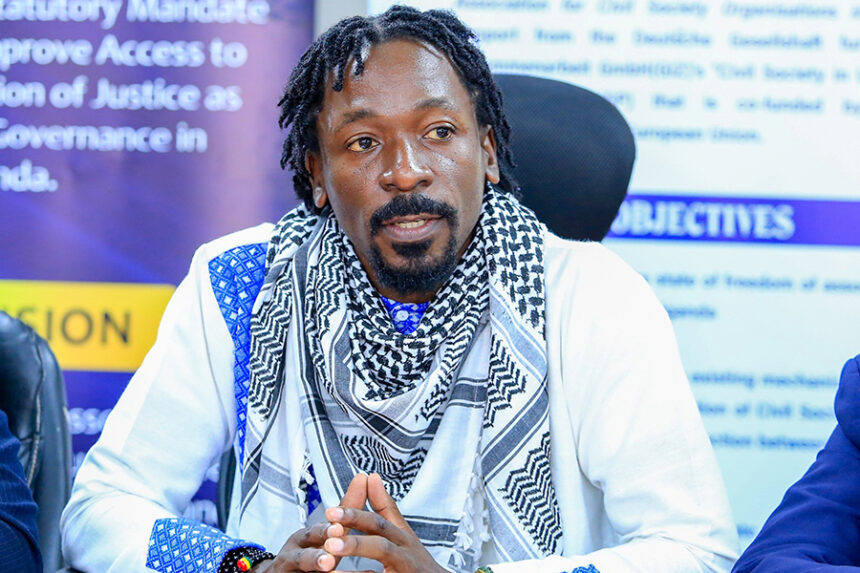

The Uganda Law Society (ULS), through its Radical New Bar (RNB) faction, has issued a strong cautionary statement warning that the proposed Protection of Sovereignty Bill, 2026 could undermine Uganda’s constitutional order and democratic principles.
In a press release dated April 20, 2026, Isaac K. Ssemakadde, President of Uganda Law Society said the Bill, renamed by the group as the “Anti-Sovereignty Bill”, poses a serious threat to the country’s governance framework.
Ssemakadde argue that the proposed law seeks to shift power away from citizens and concentrate it within the Executive, contrary to the principles enshrined in the 1995 Constitution.
According to Ssemakadde, any major constitutional changes affecting how Uganda is governed must be subjected to a national referendum, as provided for under Article 260. He maintains that the current Bill bypasses this requirement, rendering it unconstitutional and legally invalid.
He also expressed concern over provisions in the Bill that they say could limit freedom of expression and expand government control over institutions such as media, civil society organizations, and social services.

He warns that vague clauses could be used to criminalize dissent and restrict civic space.

He pledged to submit its comprehensive position to Parliament later this week while calling on citizens to actively engage their representatives on the matter.
“I appeal to the international community to take note of the potential implications of the proposed legislation on governance, human rights, and investment climate in Uganda”. He said.
He emphasized that the council would not support any legal framework that undermines constitutionalism, urging Ugandan’s to safeguard their democratic rights and uphold the principles of the 1995 Constitution.