









Summary:
- The report lists members of the Judiciary, Uganda People’s Defense Forces (UPDF), Police, Prisons, and other security organs among the public servants who enjoy tax-free incomes in Uganda.
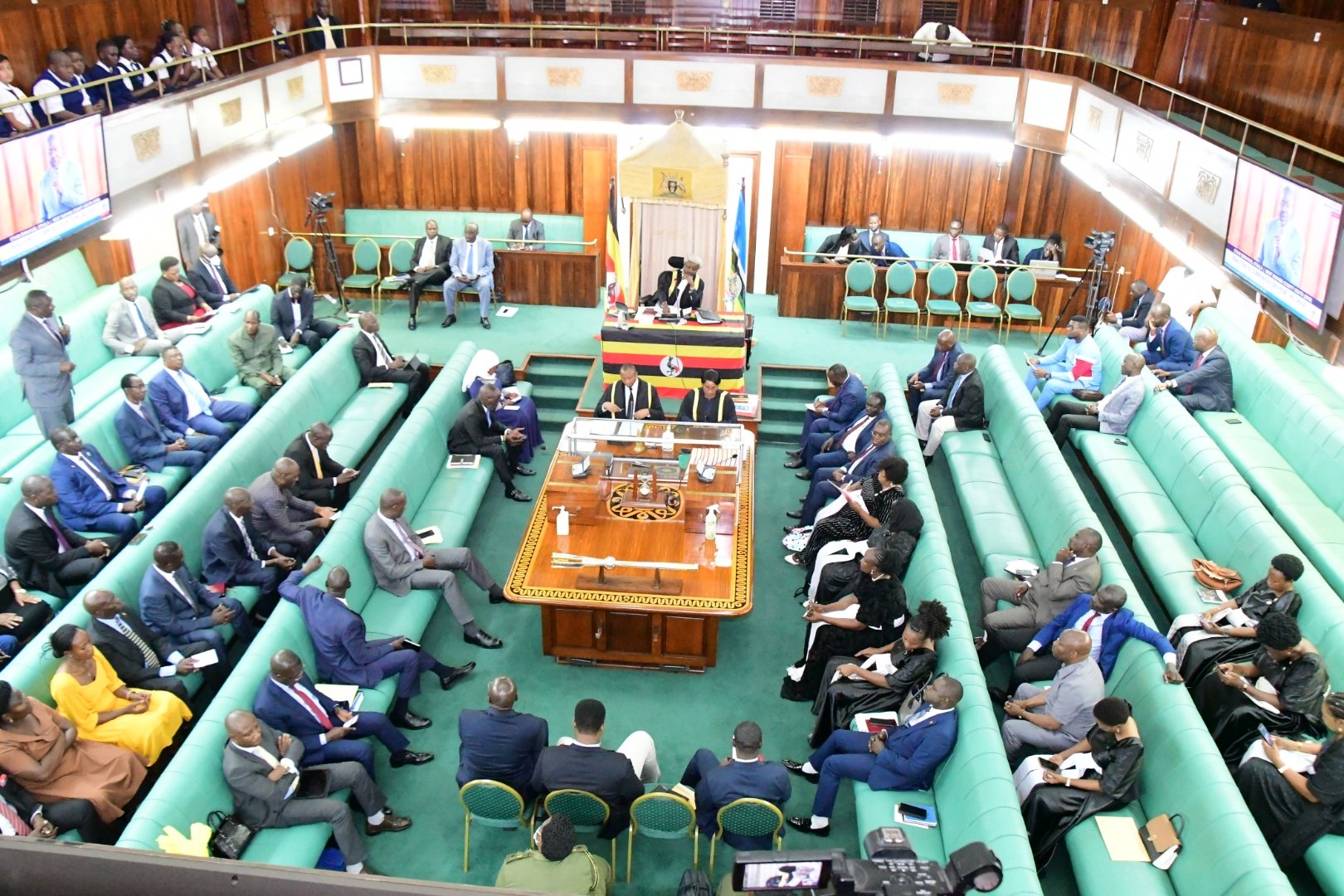
KAMPALA: The Ministry of Finance has reported that Uganda lost over UGX 638.6 billion in potential tax revenue over the past five years due to tax exemptions granted to Members of Parliament (MPs).
These exemptions, which began in 2016, were introduced to alleviate the tax burden on lawmakers and to cover expenses incurred in the execution of their duties.
The details are outlined in the August 2024 Tax Expenditure Report for the FY2022/23, which highlights various categories of taxpayers exempted from paying taxes.

In addition to MPs, the report lists members of the Judiciary, Uganda People’s Defense Forces (UPDF), Police, Prisons, and other security organs among the public servants who enjoy tax-free incomes in Uganda.

Meanwhile, other categories of workers remain subject to taxes such as Pay As You Earn (15%) and consultancy income tax (6%).
According to the report, the government lost UGX 98.73 billion in 2018/19 alone due to income tax exemptions on MPs’ earnings.
This figure increased to UGX 126.64 billion in 2019/20, UGX 125.84 billion in 2020/21, UGX 128.83 billion in 2021/22, and UGX 158.56 billion in 2022/23. The cumulative total over the five-year period amounts to approximately UGX 638.6 billion.
The Ministry of Finance also highlighted substantial losses in tax revenue due to exemptions for officers in security agencies, totaling over UGX 965.65 billion.
Additionally, UGX 30.34 billion was lost due to tax exemptions granted to officials in the Judiciary.
The report further revealed that private retirement schemes benefited from income tax exemptions totaling UGX 666.82 billion over the five years, with the annual exemption amount rising from UGX 96.01 billion to UGX 132.02 billion between 2019 and 2023.
Overall, Uganda has lost over UGX 12 trillion in potential tax revenue over the past five years due to various exemptions.
However, the Ministry of Finance cautioned that this figure might be even higher due to data limitations and the government’s inability to capture all relevant information for accurate computation.
The report noted that UGX 2.972 trillion was foregone in the 2022/23 fiscal year alone.
“Data constraints mean that the estimates presented are likely an underestimation of the true value of revenue foregone due to tax expenditures. For a number of provisions in the relevant tax acts that have been identified as tax expenditures, data was not appropriately captured to allow for computation of revenue foregone,” the report stated.
The report also provided a breakdown of the yearly revenue losses due to tax exemptions, with UGX 2.079 trillion lost in 2018/19, UGX 2.065 trillion in 2019/20, UGX 2.408 trillion in 2020/21, and UGX 2.723 trillion in 2021/22. In 2022/23 alone, tax exemptions cost the government UGX 2.972 trillion.
Additionally, the report disclosed that the revenue foregone from Value Added Tax (VAT) expenditures was the highest, amounting to UGX 992.2 billion in FY2022/23. This represented 33.3% of the total revenue forgone from tax expenditures and 0.54% of GDP.
Corporate Income Tax exemptions also saw significant increases, rising from UGX 168.5 billion in FY2018/19 to UGX 350.62 billion in FY2022/23, marking a 108% increase.
The Bujagali Hydro Power Project was the largest beneficiary of these exemptions, with the Ministry of Finance noting that the project’s tax exemption, initially set to expire in 2022, has been extended to 2027.
This exemption has cost Uganda UGX 469.39 billion over the past five years, though the government defends this decision as necessary to boost energy production and support the transition to cleaner energy.