
“Patriotism is not blind obedience; it is an informed and active commitment to the good of the nation.”
Guided by this principle, the Uganda Prisons Service (UPS) has intensified countrywide civic training sessions under its political education framework aimed at strengthening patriotism, professionalism, discipline, and public trust, key pillars for effective prison administration and national security.
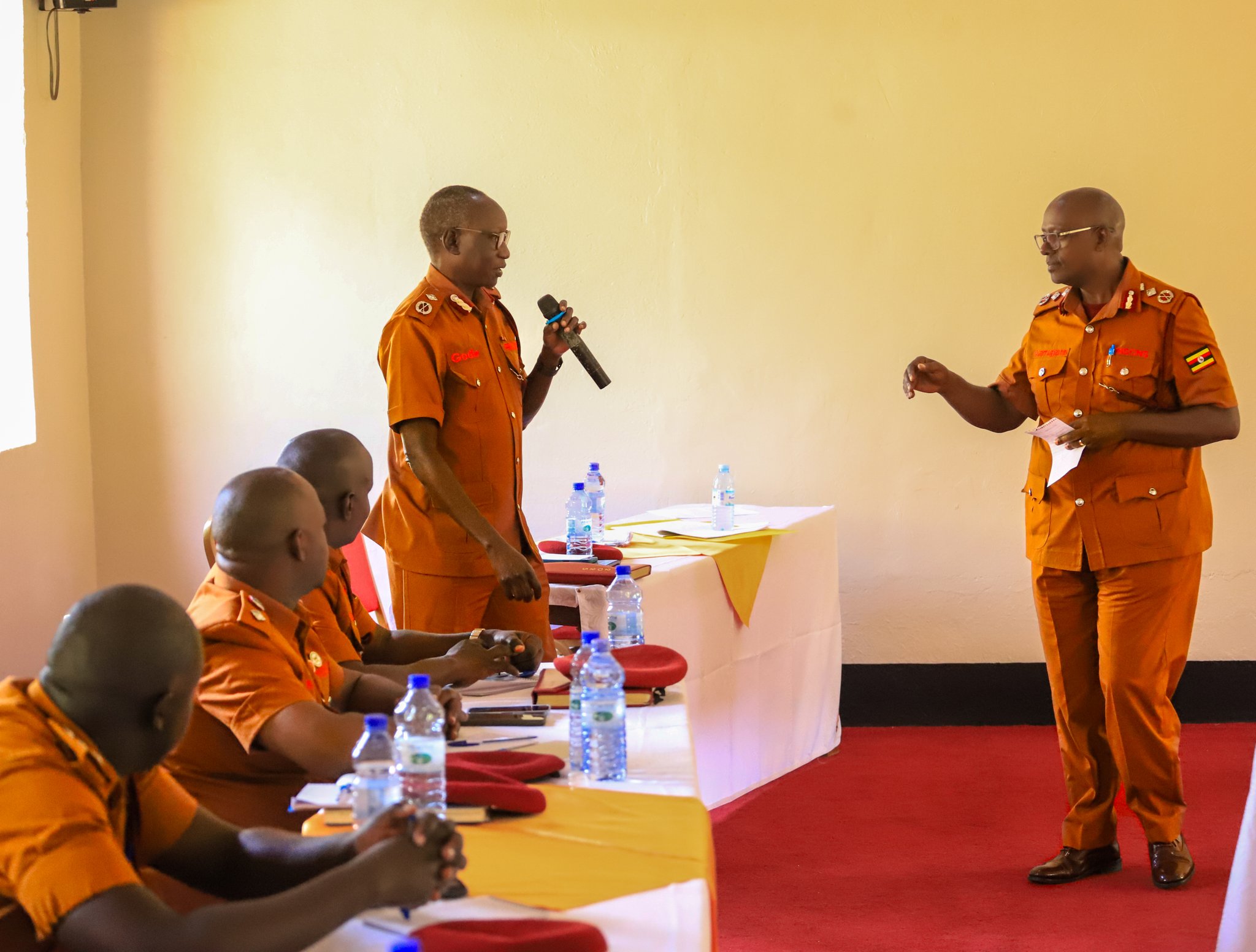
The trainings, held in the Mid-Western Region in Masindi and the Western Region in Fort Portal City, were addressed by Moses Kamugisha, Commissioner of Prisons and Service Political Commissar, who also doubles as Chief Prisons Intelligence.
Kamugisha urged Officers-in-Charge and their deputies to actively promote the prisons brand and engage neighbouring communities, government institutions, and all stakeholders within the Criminal Justice System.
He emphasized that prisons do not operate in isolation and that public confidence is built through openness, transparency, and constructive engagement.

He further advised officers to know and understand both their staff and inmates, noting that effective leadership, discipline, welfare, and management depend on informed and inclusive prison administration.

The civic trainings are organized and coordinated by the Department of Political Commissariat, whose mandate includes political education, ideological orientation, and the promotion of national consciousness within the Service.
The department is also responsible for patriotism, mobilization, internal cohesion, discipline, professionalism, and doctrinal alignment.
Additionally, the department plays a key role in human rights and rule of law advocacy, civil-service cooperation, morale building, mindset change, and aligning officers with government policies and national values.
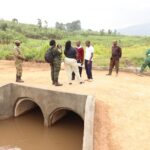
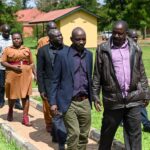
The sessions brought together prison officers, district opinion leaders, regional health coordinators, and social rehabilitation workers.
The trainings have been conducted nationwide, with only the North Eastern Region yet to be covered.
On matters of communication, Kamugisha cautioned prison officers against defamation and subversion through the misuse of social media, warning that such conduct violates both Prisons regulations and the Computer Misuse Act.
However, he encouraged the responsible use of digital platforms to highlight government achievements and ongoing reforms within the Service.
Kamugisha highlighted national development milestones, including improved infrastructure, industrial parks, better healthcare delivery, agricultural modernization, increased exports, tourism growth, mineral development, and oil and gas discoveries.
He stressed that peace and security remain the foundation of investor confidence and sustainable development.
He also urged strict adherence to the Standby Class One guidelines issued by the Commissioner General of Prisons during the festive season and the ongoing election period.
Outlining key achievements of the Uganda Prisons Service, Kamugisha noted the expansion of prison facilities and a significant increase in staff strength, from about 2,000 officers in the 1990s to over 14,000 today.
He added that the Service has registered notable progress in infrastructure development, revival of prison industries, improved welfare of staff and inmates, enhanced production, strengthened rehabilitation programmes, and improved access to justice.
These milestones, he said, are a result of the visionary leadership of the Head of State, President Yoweri Kaguta Museveni.
Kamugisha reminded officers to remain vigilant, patriotic, Pan-African, and democratic in the execution of their duties as they continue to serve the nation.
Meanwhile, Robert Bwarare, the Deputy Resident City Commissioner of Fort Portal, called upon prison officers to maintain stability, peace, and security, especially during public order management in the election period.
He noted that officers may be called upon to protect election materials and urged them to execute such duties with utmost discipline and professionalism.
Bwarare observed that Uganda has made remarkable progress across all sectors over the last 30 to 40 years and encouraged young people to safeguard these achievements for future generations.
Officers were also encouraged to continuously engage the public on vocational skilling programmes offered in prisons, which leaders noted are key rehabilitation tools that build public confidence and enhance understanding of the role of prisons in national development.