
As newly elected local leaders assume office for the 2026–2031 term, citizens across Uganda hold growing expectations for transformative, inclusive, and accountable leadership that prioritizes effective service delivery and socio-economic development.
The success of this leadership term will largely depend on leaders’ commitment to inclusivity, transparency, and a firm stance against corruption. Effective leadership should ensure that all citizens, regardless of political affiliation, gender, age, or social status are given equal opportunities to participate in development processes and benefit from government programs.
Corruption remains one of the greatest obstacles to sustainable development. It undermines public trust, weakens institutions, and diverts resources intended for community transformation.
Local leaders must therefore uphold integrity, accountability, and responsible stewardship of public resources. Public office should remain a platform for serving the people rather than an avenue for personal enrichment.
Equally important is the need to prioritize service delivery and improve household incomes through practical and impactful interventions in agriculture, education, healthcare, infrastructure development, and youth empowerment.

Leaders should focus on programs that directly improve livelihoods, create employment opportunities, and reduce poverty at the grassroots level.

Strengthening public accountability and promoting transparency in decision-making will also be essential in building citizens’ confidence in government institutions.
Leaders who actively engage communities, listen to citizens’ concerns, and provide timely feedback foster trust and strengthen the relationship between government and the people.
The 2026–2031 leadership term presents a fresh opportunity for local leaders to champion unity, ethical governance, and sustainable development. Through commitment, integrity, and people-centered leadership, Uganda’s local governments can become engines of transformation and improved welfare for all citizens.
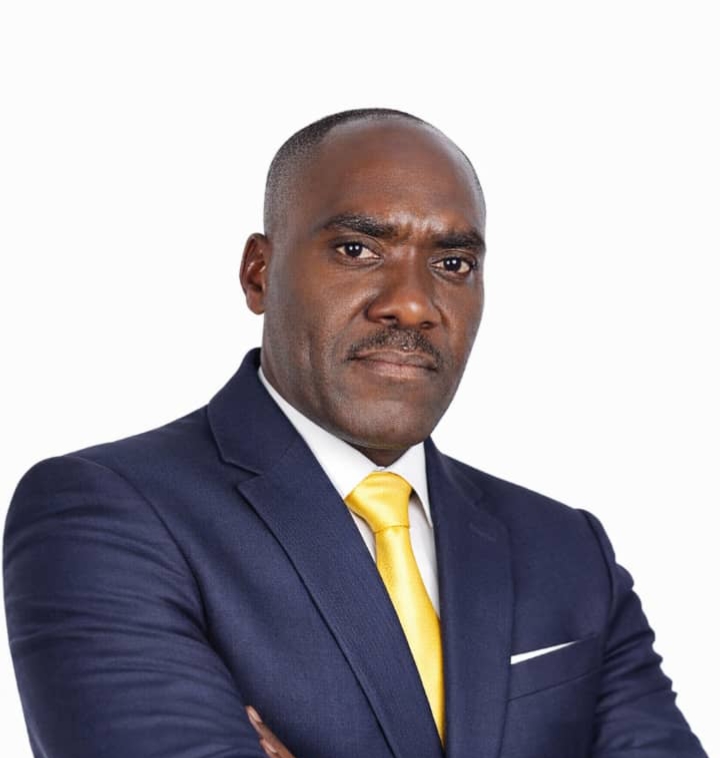
By Atusasire Edmund
Researcher | Former LC5 Chairman Aspirant, Rukiga District
MBA (MUK) | PGD (FM) – UMI | BCOM (MUK)
Email: [email protected]
Tel: 0783708887