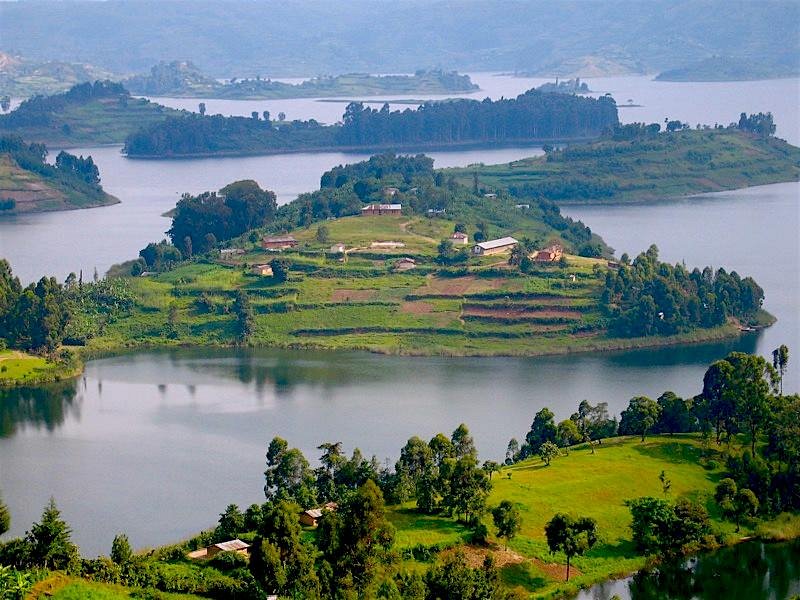

In the cool highlands of southwestern Uganda lies Kigezi, a region often celebrated as the “Switzerland of Africa.” Beyond its picturesque landscape of rolling terraced hills, mist-covered valleys, sparkling lakes, and dense forests, Kigezi represents more than natural beauty, it is a living example of how geography can drive economic transformation and shape livelihoods.
At dawn, life awakens across the hills as farmers move into carefully carved terraced gardens that cling to the slopes. The region’s fertile volcanic soils, combined with reliable rainfall patterns, have long supported staple crops such as Irish potatoes, beans, and bananas. In recent years, however, coffee farming has emerged as a transformative economic force.
Arabica coffee thrives in Kigezi’s high-altitude, cool climate, producing high-quality beans that attract competitive prices on regional and international markets.
For many households, coffee has become more than a crop, it has become a pathway to paying school fees, improving housing conditions, and starting small enterprises.
Along the shores of Lake Bunyonyi, economic activity blends naturally with tourism. Fishermen quietly cast their nets while visitors drift across the calm waters in canoes, admiring the scenic surroundings.

The lake’s growing reputation as a tourist destination has spurred the expansion of hospitality services, including lodges, tour guiding services, and craft markets that provide income opportunities for local communities.

Nearby, the ancient forests of Bwindi Impenetrable National Park continue to attract global visitors seeking to experience mountain gorillas.
Tourism around the park has become a vital source of employment and foreign exchange earnings, benefiting surrounding communities through business opportunities and conservation-related jobs.
Kigezi’s strategic location further enhances its economic potential. Cross-border trade with neighboring countries keeps local markets vibrant, while dairy farming and temperate vegetable production flourish in the region’s cool climate.
From agricultural production to tourism and trade, every hill, lake, and forest appears to contribute to local livelihoods.
Ultimately, Kigezi demonstrates that geography is not just about physical features, it is about opportunity.
From coffee gardens on terraced slopes to tourism boats gliding across quiet waters, the region continues to write a story of resilience, innovation, and economic hope for its people.
By Edmund Atusasire
MBA (MUK), PGD-FM (UMI), B.COM (MUK)