
Summary:
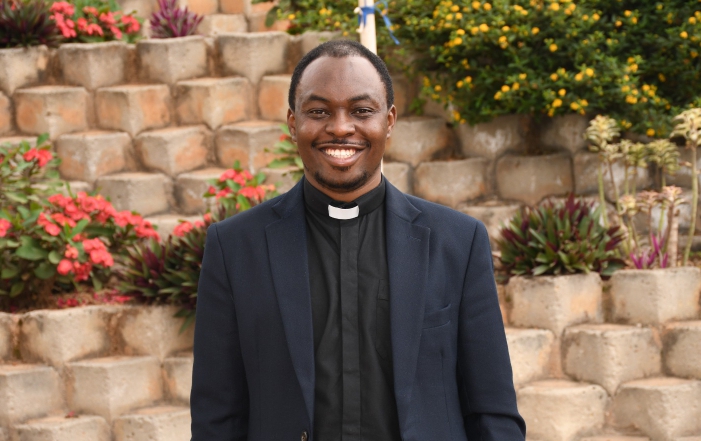
According to Rev. Agaba Moses, a Systematic Theologian and Chaplain at Uganda Christian University – Bishop Barham University College, Kabale, the Anglican Church must engage in thoughtful dialogue about cremation.
OP-ED: The passing of Shaka Ssali, a renowned journalist and former host of Voice of America’s popular program Straight Talk Africa has sparked widespread discussions within the community and across social media, particularly regarding his expressed wish to be cremated.
His request, which included the distribution of his ashes in various locations, including his homeland and other African countries, invites us to reflect on the intersection of personal wishes, theological considerations, and cultural traditions surrounding death—especially within the Anglican tradition.

This Opinion seeks to explore cremation from a systematic theological perspective, drawing on scriptural, historical, and cultural contexts to enhance our understanding of this practice.

Historical Perspectives on Cremation
Cremation has been practiced for centuries across diverse cultures, often symbolizing honor, purification, and remembrance. In ancient Greece and Rome, it was considered a dignified method of handling the deceased, with fire symbolizing a sacred passage to the afterlife (Terry, 2007).
Early Christianity, however, was significantly influenced by Jewish burial traditions, which viewed the body as sacred and destined for resurrection (Harris, 2010). This preference for burial is reflected in the burial of Christ and the early Church’s emphasis on physical interment as a testament to the hope of eternal life.
Over time, the Church distanced itself from cremation, associating it with pagan rituals that seemingly denied bodily resurrection (Hickman, 1995). However, the 20th century witnessed a shift in attitudes as cremation became more socially accepted.
The Anglican Church, among other Christian denominations, reassessed its stance, acknowledging cremation as a legitimate option. The Church of England’s 2010 guidance affirms this perspective, balancing theological principles with pastoral care and cultural sensitivity (Boyd & Murdock, 2019).
Theological Considerations on Cremation
1. The Resurrection and Theological Anthropology
At the heart of Anglican theology is the doctrine of the resurrection, affirmed in the Nicene Creed: “We look for the resurrection of the dead and the life of the world to come.” Critics of cremation argue that it contradicts belief in bodily resurrection, suggesting that reducing a body to ashes undermines the eschatological promise of renewal (Mason, 2018).
However, a deeper theological reflection suggests otherwise. The resurrection is not contingent upon the physical state of the body at death. Paul, in 1 Corinthians 15:42-44, states: “The body that is sown is perishable, it is raised imperishable.”
This affirms that God’s power transcends the physical form of the deceased, whether buried or cremated. Thus, cremation does not negate resurrection but rather highlights God’s sovereignty over life and death (Wright, 2008).
2. Biblical and Scriptural Insights
The Bible does not explicitly endorse or condemn cremation. Instead, it presents a variety of burial practices shaped by cultural contexts. For instance, King Saul’s remains were cremated to prevent desecration (1 Samuel 31:12), while Abraham was buried traditionally (Genesis 23).
These accounts demonstrate that God’s authority over life and remembrance transcends the method of body disposition (Hammond, 2015).
Viewed through this lens, cremation aligns with a responsible approach to handling human remains. It emphasizes that what truly matters is not the physical body left behind but the spiritual legacy and faith that endure in the hearts of loved ones.
3. Cultural Sensitivity and Contextual Considerations
Shaka Ssali’s wish for his ashes to be spread across various locations resonates deeply with African traditions, where death is seen as a transition rather than an end. Many African cultures uphold the belief that ancestors maintain a spiritual connection with the living (Oduyoye, 2001).
The act of cremation, followed by the dispersal of ashes, can hold profound symbolic meaning, fostering ties between the deceased and their homeland while honoring their legacy.
For the Anglican Church of Uganda, it is essential to approach cremation with pastoral sensitivity. By respecting Shaka Ssali’s wishes and incorporating appropriate liturgical prayers, the Church can provide a space for collective mourning, remembrance, and celebration of life.
This ensures that while the physical form may be absent, the spiritual presence and impact of the deceased remain alive within the community (Shultz, 2014).
A Pastoral Perspective
According to Rev. Agaba Moses, a Systematic Theologian and Chaplain at Uganda Christian University – Bishop Barham University College, Kabale, the Anglican Church must engage in thoughtful dialogue about cremation.
“The historical preference for burial no longer holds exclusive authority. Our understanding of cremation must evolve to encompass theological reflection, respect for individual wishes, and cultural considerations, while reaffirming our hope in resurrection.” Rev Agaba Remarked
Rev. Agaba emphasizes that honoring Shaka Ssali’s final wishes does not contradict Christian faith but rather demonstrates an evolving, compassionate approach to pastoral care:
“God’s transformative power is not limited by physical remains. Our ultimate hope is not in bodily preservation but in the promise of eternal life and God’s redemptive grace.” He added.
Shaka Ssali’s final wishes offer an opportunity to reflect on the evolving nature of Christian burial practices and the assurance that, regardless of how our earthly bodies are treated, our hope remains steadfast in God’s eternal promises.
References
- Boyd, A., & Murdock, C. (2019). Cremation and Christianity: A Contemporary Understanding. Journal of Faith and Theology.
- Church of England. (2010). Guidance on Cremation and Interment. London: Church House Publishing.
- Hammond, T. (2015). Burial and Cremation: Theological Reflections in the Christian Context. Anglican Theological Review.
- Harris, J. (2010). The Body in Christian Theology: Historical Perspectives. Theology Today.
- Hickman, A. (1995). Cremation: Historical and Theological Perspectives. Journal of Anglican Studies.
- Mason, P. (2018). Putting Death in Perspective: The Case for Cremation. International Journal of Religion and Spirituality.
- Oduyoye, M. (2001). The African Perspective on Death and Mourning. African Theology Today.
- Schultz, D. (2014). Ashes to Ashes: Rituals of Remembrance in Christian Worship. Liturgical Studies.
- Terry, J. (2007). A Cultural History of Death and Burial Practices through the Ages. Routledge.
- Wright, N. T. (2008). Surprised by Hope: Rethinking Heaven, the Resurrection, and Our Mission in the World. HarperOne.
The Writer, Rev. Agaba Moses, is a Systematic Theologian and Chaplain at Uganda Christian University – Bishop Barham University College, Kabale.