
Uganda’s transition to multiparty democracy remains one of the most significant yet contested chapters in the country’s modern political history. While the return to competitive party politics in 2005 was widely celebrated as a democratic breakthrough, the experience since then suggests that the journey toward genuine pluralism is still unfolding.
When Ugandan’s voted in the 2005 Uganda multiparty referendum to restore multiparty politics, the moment was seen as a decisive step away from the long-standing Movement system that had shaped political organization for nearly two decades.
The reform raised expectations that the country would enter a new era defined by political pluralism, stronger accountability, and competitive elections.
More than twenty years later, however, the promise of multiparty democracy appears both real and incomplete.
On paper, Uganda now has several registered political parties and regular elections. In practice, the dynamics of political competition remain deeply debated. Opposition actors often argue that the political playing field is uneven, pointing to concerns about access to state resources, restrictions on political activity, and electoral processes they believe do not always offer equal opportunity to all participants.

These concerns raise a broader question about the nature of democratic consolidation. Multiparty democracy does not simply mean the existence of multiple political parties. It requires institutions that are trusted, electoral systems that are widely accepted as credible, and political actors who are willing to respect rules even when outcomes are unfavorable.

Uganda has made visible progress in building democratic structures. Institutions such as the Electoral Commission of Uganda and the Parliament of Uganda provide the formal framework for political competition and governance. A vibrant civil society and an increasingly active media landscape have also contributed to public scrutiny of political processes.
Yet public debate continues over the degree to which these institutions operate independently of political influence. For many observers, institutional strength remains one of the most critical tests of Uganda’s democratic maturity.
Another important dimension lies in political culture. Democracy thrives not only on laws and constitutions but also on tolerance, dialogue, and respect for dissent.
In Uganda, political competition has at times been marked by polarization and confrontation, trends that risk overshadowing the constructive engagement that multiparty systems are meant to encourage.
Beyond the national political arena, many Ugandans judge democracy through a different lens altogether. At the grassroots level, citizens are often more concerned with service delivery, economic opportunity, and security than with party competition.
In communities where unemployment, poor infrastructure, and limited social services remain pressing challenges, the benefits of multiparty politics can seem distant from everyday life.
Still, it would be inaccurate to portray Uganda’s democratic journey as stagnant.
In recent years, new political actors have emerged, youth participation has grown, and public debate has expanded through digital platforms and social media. These developments suggest that while institutions may face challenges, the democratic aspirations of Ugandan citizens remain active and evolving.
The next stage of Uganda’s democratic development will likely depend on three key factors: strengthening institutional independence, guaranteeing political freedoms, and building public confidence in electoral processes. Without these foundations, multiparty politics risks becoming more symbolic than substantive.
Ultimately, the goal should not merely be the presence of multiple political parties, but the consolidation of a democratic culture where leadership is accountable, political competition is respected, and citizens remain the true custodians of national power.
Multiparty democracy is not a destination achieved through a single referendum or constitutional reform. It is a long process that requires political maturity, institutional resilience, and sustained civic engagement.
For Uganda, the challenge, and the opportunity, is to ensure that this process continues to deepen rather than stall. Only then will the promise that inspired the return to multiparty politics truly translate into the democratic future many Ugandan’s once envisioned.
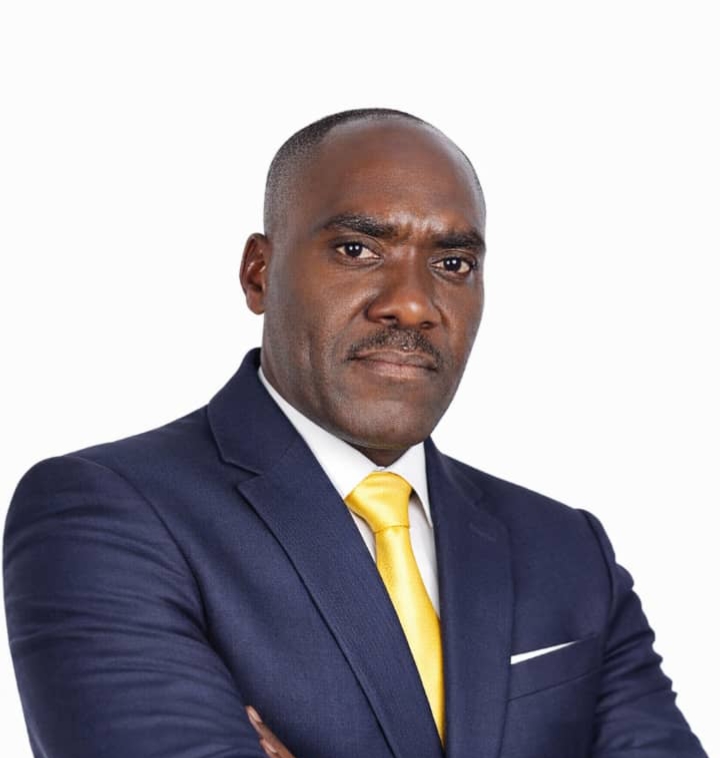
By Atusasire Edmund
Researcher | Former LC5 Chairman Aspirant, Rukiga District
Email: [email protected]
Tel: 0783708887