
Uganda stands at a defining historical crossroads. With one of the youngest populations in the world, where more than three-quarters of citizens are under the age of 30, the country’s demographic reality is more than a statistic. It is a political opportunity waiting to be strategically harnessed.
Since 1986, President Yoweri Museveni and the National Resistance Movement have shaped Uganda’s political direction.
Over the years, the country has witnessed infrastructure expansion, growth in educational institutions, and relative stability compared to the turbulent years before 1986. These achievements are part of Uganda’s national story.
Yet, a generational shift is unmistakable. The majority of Ugandan’s today were born long after the current leadership assumed power.
Their lived experiences are defined less by memories of liberation struggles and more by the realities of unemployment, digital transformation, urbanization, and global connectivity. Their concerns and expectations are different.

This contrast is not simply about age; it is about aspiration. Young Ugandans are calling for accountability, economic opportunity, innovation-driven policies, and governance systems that respond to modern challenges.

The growing popularity of Robert Kyagulanyi, widely known as Bobi Wine, reflects a broader political awakening among the youth. His rise signals a deep desire for representation that resonates with a digitally connected and socially conscious generation.
However, demographic strength alone does not guarantee political transformation. Numbers must be converted into structured civic engagement. Voter registration, consistent turnout, policy literacy, and sustained participation in community affairs are essential.
A large but disengaged population wields little influence. By contrast, a mobilized, informed, and disciplined youth bloc can shape electoral outcomes and policy priorities at both local and national levels.
Unity is the cornerstone of meaningful generational change. Uganda’s youth are diverse, across ethnic, religious, and socio-economic lines. Fragmentation dilutes influence. But issue-based mobilization can provide common ground. Employment creation, entrepreneurship financing, education reform, healthcare access, and anti-corruption efforts are shared concerns that transcend partisan divisions.
When young citizens organize around national interests rather than narrow loyalties, their collective voice becomes transformative.
Equally critical is a commitment to peaceful and constitutional processes. Lasting generational change cannot be built on instability. It must be grounded in civic discipline, institutional reform, and respect for democratic principles.
Engagement in local governance, civil society platforms, parliamentary advocacy, and policy research institutions offers multiple pathways for young leaders to shape the system constructively and sustainably.
Importantly, generational change does not necessarily mean abrupt displacement of existing leadership. It can unfold through deliberate transition, mentorship, and reforms that create space for emerging voices.
Structured intergenerational dialogue can preserve continuity while fostering renewal. Uganda’s long-term stability depends not on confrontation between generations, but on thoughtful evolution.
The reality is undeniable: Uganda’s future is numerically young. The pressing question is whether this demographic advantage will remain a passive statistic or become a strategic force for national renewal.
If organized, politically educated, and united by shared aspirations, Uganda’s youth can influence policy, redefine governance standards, and cultivate a leadership culture aligned with their vision for the country.
The power for generational change lies not in protest alone, nor in rhetoric, but in disciplined and sustained civic participation.
Uganda’s youth hold the numbers. The responsibility now lies in transforming that strength into peaceful, strategic, and enduring political progress.
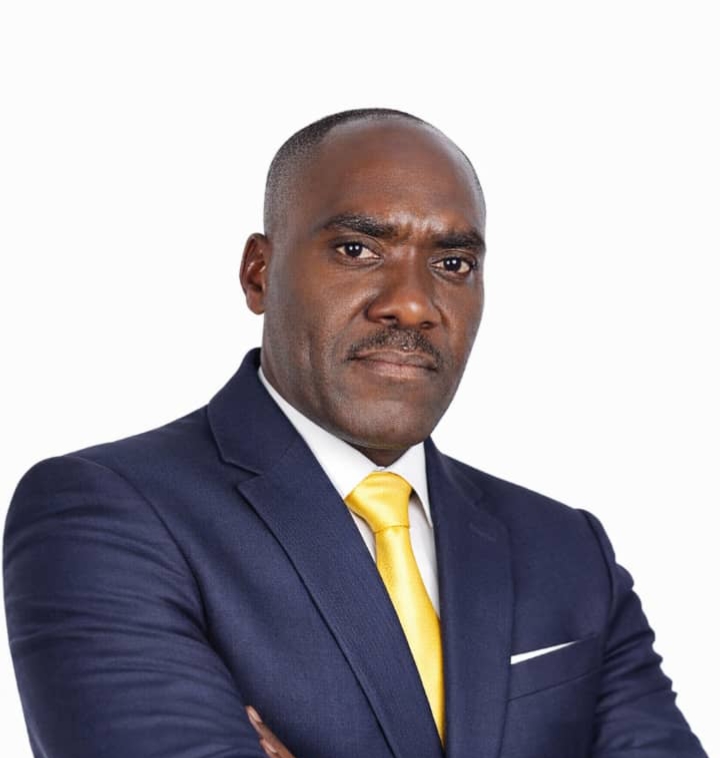
By Atusasire Edmund
Researcher, Politician and Social Analyst