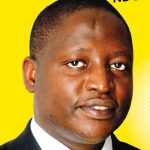
KABALE – The Bishop of the Diocese of Kigezi, the Rt Rev Gaddie Akanjuna has strongly condemned the alarming rate of alcohol consumption in Uganda, attributing it to a host of societal issues, including heightened poverty, increased instances of sexual acts, and other related vices.
According to the May 2023 WHO report, the rate of consumption in Uganda stands at 12.21 litres of alcohol per capita per year, which is much higher than the average consumption in Africa, that is, an average of 6.3 litres per person per year. The report also reveals that Ugandan men consume more alcohol than women since on average, men consume an estimated 19.93 litres of pure alcohol annually, while women consume 4.88 litres.
While delivering his Christmas message at the Diocesan headquarters on Rugarama hill, northern Division of Kabale Municipality on Thursday evening, Bishop Akanjuna urged the need for divine intervention to combat this pervasive issue during the festive season. He emphasized the detrimental impact of widespread alcohol consumption on both productivity and family well-being, describing the situation as absurd.
Bishop Akanjuna urged Ugandans to adopt a lifestyle that transcends the pitfalls of excessive alcohol consumption, calling for a collective effort to break free from the chains of this vice.
CUE IN BISHOP AKANJUNA…..ON ALCOHOL CONSUMPTION…….RR/ENG//

Alcoholic Drinks Control Bill, 2023

On Tuesday, November 14, 2023, Hon. Sarah Opendi (NRM, Tororo District) presented a private member’s bill, the Alcoholic Drinks Control Bill, 2023, to Parliament for its first reading. The proposed Bill aims to regulate the manufacture, sale, and consumption of alcoholic drinks, with a specific focus on prohibiting the sale of such beverages to children.
Speaker Anita Annet Among referred the bill to the Committee on Health and the Committee on Tourism, Trade, and Industry for scrutiny, with instructions to report back to the House.
Perspective from Alcohol Dealers:
Recently, Nile Breweries Limited (NBL) rejected a proposal to restrict the hours during which alcohol can be sold in Uganda. Instead, they suggested allowing bars to commence alcohol sales from midday with no specified closure time.
Emmanuel Njuki, Head Legal and Corporate Affairs at NBL, expressed concern that limiting operating hours might not necessarily reduce alcohol consumption and could inadvertently lead to increased home consumption.
He also questioned whether the bill’s proponents intended to have nightclubs open to sell only soft drinks and play music after 10 PM, emphasizing the significant role of the night economy in driving Uganda’s overall economy.
Insights from Lawmakers:
Experts highlight the financial burden of alcohol dependence, estimating that individuals battling alcohol abuse require Shs 2 million monthly and Shs 24 million annually for treatment in rehabilitation facilities.
Richard Baguma, a Consultant with the Uganda Alcoholic Policy Alliance, revealed that existing alcohol rehabilitation centers in Kampala, Wakiso, and Mpigi are at full capacity, primarily admitting children from well-off families. Baguma stressed the urgency of passing the Alcoholic Drinks Control Bill into law, citing the escalating costs associated with treating alcohol dependence and abuse.
Calls for Legislative Action:
Experts and advocates are urging Parliament to pass the Alcoholic Drinks Control Bill, emphasizing the dire need for intervention.
David Kalema, Executive Director of Hope and Beyond Alcohol and Drugs Treatment Centre, highlighted the overwhelming demand for rehabilitation services, noting that existing facilities are filled to capacity.
Albert Elwa, a former alcohol abuser, echoed these sentiments, calling for the establishment of additional rehabilitation centers.
Elwa emphasized the importance of creating an Alcohol Fund to support enforcement and initiatives aimed at treatment, drawing attention to the significant number of individuals, approximately 4-5 million, grappling with alcohol dependence in a country of 45 million people.