





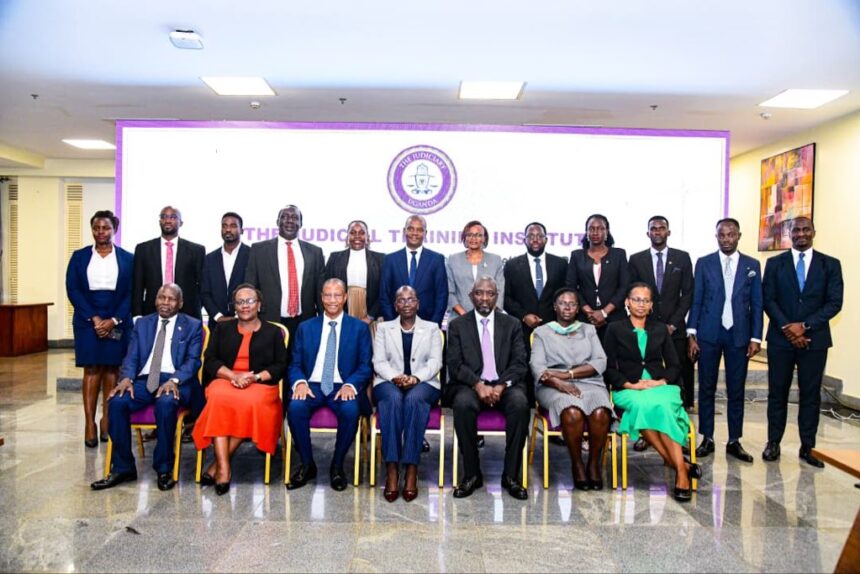

The Principal Judge, Lady Justice Jane Frances Abodo, has urged the Judiciary to make mediation a routine part of commercial dispute resolution after an exercise resulted in full or partial settlements in 64 cases valued at Shs20.67 billion.
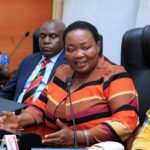
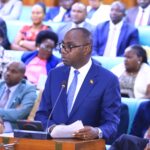
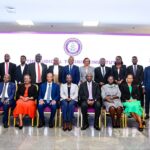
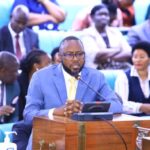
She made the call while chairing a breakfast exit meeting at the Court of Appeal Conference Hall in Kampala on Wednesday which reviewed the outcomes of the Commercial Division’s Settlement Fortnight for Trade, Corporation and Construction Disputes.
The exercise ran from August 17 to 30, 2026, with mediation continuing until October 17, 2026.
Organised by the Alternative Dispute Resolution (ADR) Registry, with support from the Judicial Training Institute (JTI), the meeting brought together stakeholders to assess the results, recognise outstanding participants and identify areas for improvement in future mediation exercises.
Lady Justice Abodo commended the Head of the Commercial Division, Lady Justice Anna B. Mugenyi, and her team, attributing the results to committed leadership, teamwork and cooperation among advocates, mediators and court users.

She urged stakeholders to embrace mediation as a regular approach to resolving disputes, emphasising that its success depends on the willingness of parties to participate and negotiate in good faith.

The Principal Judge also recognised the contribution of Deputy Chief Justice Emeritus Richard Buteera, thanking him for sharing his experience and providing guidance to the Judiciary’s mediation reforms after retirement.
64 disputes settled fully or partially
Presenting the status report, Lady Justice Mugenyi said 1,424 trade, corporation and construction cases were pending when the mediation initiative was being planned.
Of these, 520 were selected for mediation, with 452 scheduled for sessions before 26 mediators.
By October 17, mediation had been completed in 229 cases, representing 50.7 per cent of those scheduled. Of these, 60 were fully settled, four were partially settled, while 165 did not result in an agreement.
The 64 full or partial settlements represented 28 per cent of the cases in which mediation had been completed and were valued at Shs20.67 billion.
A further 106 cases remained unresolved at the close of the reporting period, while 117 were classified as non-starters.
The report attributed the high number of non-starters largely to inadequate screening and insufficient confirmation that parties were ready to participate in mediation.
Lady Justice Mugenyi cautioned against viewing cases that remained unresolved after the 60-day period as lost opportunities, noting that some parties were close to reaching agreements and could still settle their disputes before the judges handling the substantive suits.
Mediation helps reduce case backlog
The exercise also recorded progress in resolving long-standing disputes.
Of the 64 full or partial settlements, 20 arose from backlog cases and accounted for Shs7.06 billion of the total reported settlement value. These represented 31.3 per cent of the successful outcomes.
Another 16 settlements involved suits filed in 2025, helping prevent the cases from ageing into the backlog.
Lady Justice Abodo welcomed the focus on older cases, noting that the Judiciary’s performance and public confidence are closely linked to its ability to resolve disputes promptly.
She urged judicial officers to prioritise unresolved cases for hearing and determination while using lessons from unsuccessful mediations to improve case management.
Settlements support economic growth
The report further recorded 25 settlements valued at Shs7.75 billion in sectors identified as priorities under Uganda’s Tenfold Growth Strategy.
The sectors included agro-industrial development, tourism, mineral-based industries, oil and gas, science and technology, information and communication technology (ICT), construction, logistics, electricity and health.
The outcomes underscore the potential of mediation to resolve commercial disputes while reducing the time and costs associated with litigation, allowing businesses and other parties to focus on their economic activities.