
Since gaining independence on Uganda Independence Day, Uganda’s journey has been anything but linear. From years of political turbulence to a period of relative stability, the country today presents a complex but compelling picture one of resilience, steady growth, and unresolved structural challenges.
Under the long-standing leadership of Yoweri Museveni, who has been in power since 1986, Uganda has enjoyed a level of political continuity that has helped stabilize key state institutions. This stability has, in many ways, laid the groundwork for economic recovery and growth.
Yet, it has also sparked ongoing debate about the state of democratic governance, political competition, and inclusivity. For many observers, the question is no longer just about stability, but about the quality and depth of Uganda’s democracy.
Economically, Uganda’s performance has been moderately strong. Sustained GDP growth averaging between 5–6% annually signals a country on a steady upward path. Agriculture remains the backbone of the economy, employing the majority of Ugandan’s, with coffee continuing to dominate export earnings.
Meanwhile, the services sector has expanded significantly, contributing over 40% to the national output. However, beneath these gains lies a more sobering reality: low per capital income and widespread underemployment, particularly among the youth.

Uganda’s demographic profile both excites and alarms. With a population exceeding 45 million and a median age hovering around 16 to 17 years, the country is among the youngest in the world.

This youth bulge presents enormous potential for innovation and productivity, but only if matched with meaningful investment in education, skills development, and job creation. As it stands, a significant proportion of young people remain trapped in informal and unstable employment, raising concerns about long-term socio-economic stability.
Social indicators tell a similarly mixed story. Improvements in literacy rates and life expectancy reflect progress in education and healthcare. Yet, rapid urbanization, particularly in Kampala, is stretching infrastructure, housing, and public services to their limits.
Without strategic urban planning and investment, the pressures of population growth could easily outpace the country’s capacity to respond.
On the regional stage, Uganda continues to play a vital role within the East African Community, contributing to both trade integration and regional security. However, its economic and political future remains tied not only to regional dynamics but also to how effectively it addresses internal structural weaknesses.
Ultimately, Uganda today is a nation at a crossroads. The foundations of stability and growth are evident, but the path forward demands more than continuity. It calls for deliberate governance reforms, inclusive economic policies, and a renewed focus on harnessing the potential of its youthful population.
Without these, the promise of progress risks being overshadowed by persistent inequality and missed opportunities.
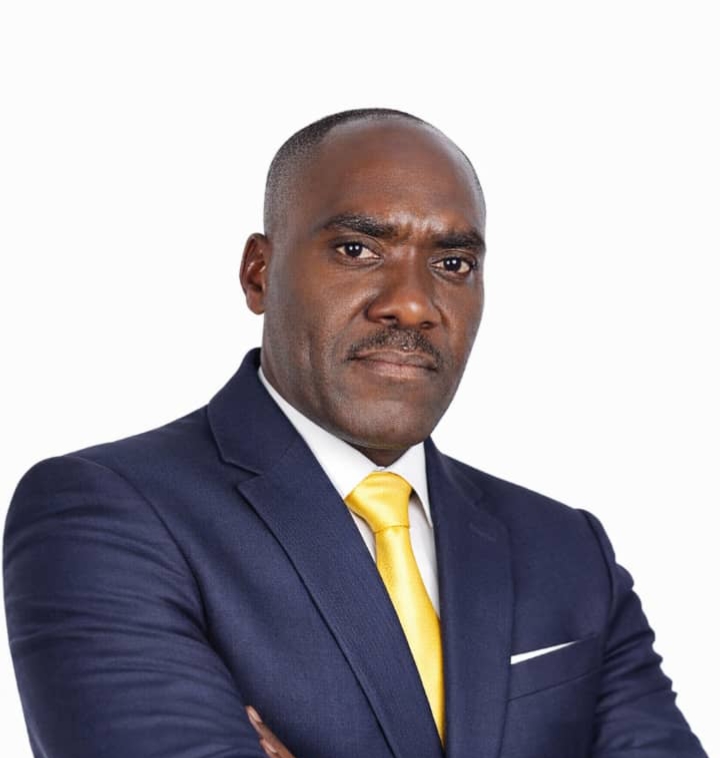
The Writer, Atusasire Edmund is a Researcher, Politician and Social Analyst.