
Kabale District is set to roll out targeted larviciding operations in malaria-prone areas as part of an integrated vector control strategy aimed at reducing malaria transmission.
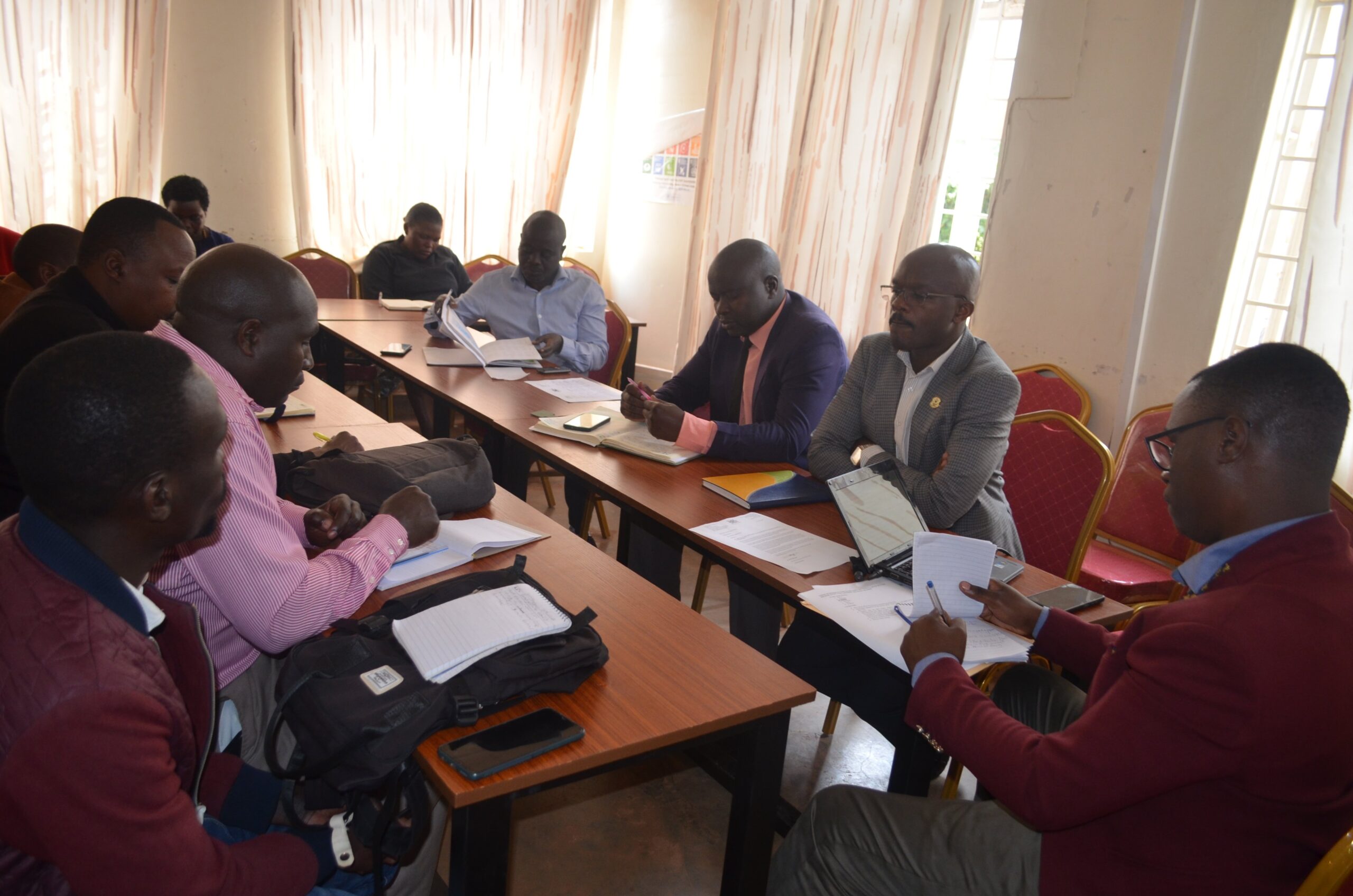
The initiative was announced during an advocacy meeting held yesterday at the District Health Officer’s boardroom, attended by health officials, local leaders, and representatives from the Ministry of Health.
The intervention is part of Uganda’s broader Larval Source Management (LSM) strategy, which involves applying biological agents to mosquito breeding sites to eliminate larvae before they mature into adult mosquitoes capable of spreading malaria.
Boaz Abomujuni, an entomologist with the Ministry of Health’s Vector Control Division, revealed that the larviciding activities are scheduled for November, aligning with the onset of the rainy season.
He emphasized that larviciding will complement existing malaria control interventions such as insecticide-treated mosquito nets (ITNs) and Indoor Residual Spraying (IRS).

“Larviciding is especially effective in areas like Kabale, where mosquito breeding sites are concentrated and easily identifiable. By targeting mosquitoes at the larval stage, we can significantly reduce malaria transmission,” Abomujuni explained.

Despite ongoing efforts to control malaria through ITN distribution, local leaders raised concerns about misuse and repurposing of the nets by community members.
The Principal Assistant Secretary for Kabale District expressed concern over the misuse of government-issued preventive tools.
“It’s unfortunate that some individuals use mosquito nets for fishing or gardening. Such practices undermine public health efforts and endanger entire communities,” she noted.
Dr. Gilbert Arineitwe Mateeka, the Kabale District Health Officer, underscored the importance of early action before the rains begin. He recalled that Kabale first piloted larviciding in 2020 in Butanda Sub-county, an area with persistent malaria cases and the intervention delivered encouraging results.
“Our goal is to act early and destroy mosquitoes at the larval stage. This proactive strategy is essential to safeguarding the health of our communities,” Dr. Mateeka said.
Although Kabale District currently reports a malaria prevalence of less than 5%, the disease remains one of the leading causes of illness and death across Uganda, especially among children under five and pregnant women.
According to the Ministry of Health, Uganda accounts for 5.1% of global malaria cases, ranking third worldwide. The country also bears the highest malaria burden in East and Southern Africa, contributing 23% of the regional total. Nationally, malaria is responsible for 30–50% of outpatient visits.
While not a stand-alone solution, larviciding is considered a highly effective complementary strategy, particularly in urban and peri-urban settings where mosquito breeding sites are “few, fixed, and findable.”
As the rainy season approaches, health officials are calling on communities to support the initiative by helping identify breeding sites and avoiding behaviors that encourage mosquito proliferation.