






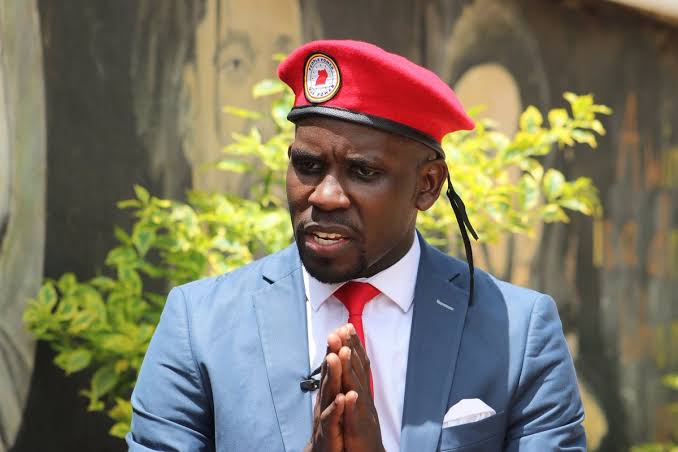

Leader of the Opposition in Parliament Joel Ssenyonyi has vowed to continue holding government accountable despite proposed changes to parliamentary laws that could affect the position and role of opposition leadership.
Ssenyonyi has strongly challenged the proposed Administration of Parliament (Amendment) Bill, 2026, arguing that the proposed reforms should not become a political weapon for weakening the opposition or restricting its ability to scrutinise government.

The Nakawa West MP insists that no legislative changes will intimidate him into abandoning his oversight responsibilities, maintaining that holding those in power accountable remains a fundamental duty of the opposition.
He has also questioned the fairness of proposals concerning the selection of opposition leaders, arguing that democratic principles should apply equally to both sides of the political divide.
According to Ssenyonyi, if the proposed law requires opposition leaders to be elected, similar democratic standards should also be extended to government leadership positions, including the Government Chief Whip and ministers.

“Let the new law be uniform,” he said.

His argument raises questions about the consistency of the proposed amendments and whether the changes are intended to promote democratic accountability or alter the balance of power within Parliament.
The proposed legislation has placed the relationship between parliamentary leadership, government and opposition under renewed scrutiny, particularly regarding how opposition leadership is constituted and how effectively it can perform its oversight mandate.

Ssenyonyi’s position signals that he is prepared to challenge the proposed reforms rather than quietly accept changes he considers unfair.
At the centre of the debate is the principle of equality in parliamentary democracy: whether rules governing political leadership should be applied consistently, regardless of whether one belongs to the ruling government or the opposition.
As debate over the 2026 amendment bill continues, Ssenyonyi maintains that his responsibility to question government decisions will not disappear because of changes to parliamentary legislation.