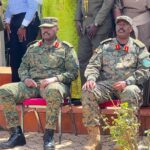
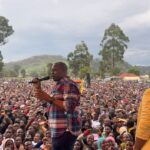
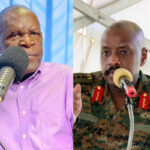
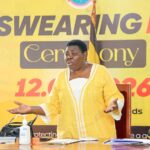



The recently concluded Uganda National Conference on Health, Human Rights and Development (UCHD 2025) in Kampala was more than just another high-profile meeting. It was a reminder, a bold one, that health is not built in hospitals alone. It is built in our schools, our kitchens, our farms, our roads, and even in our cultural practices.
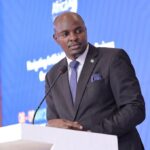
Under the theme “The Right to Health: Bridging Gaps Across Other Sectors to Achieve Equitable Health for All”, the gathering challenged us to rethink the way we understand health. Prime Minister Robinah Nabbanja’s candid observation that “only a fraction of health outcomes are determined by the healthcare system itself” could not have been more timely.
For too long, our national conversation has been fixated on hospitals, drugs, and doctors, while neglecting the everyday realities that shape health outcomes: safe water, nutritious food, decent housing, and quality education.
Beyond Rhetoric: Turning Words into Action
What stood out at UCHD 2025 was the recognition that Uganda’s health crisis is deeply rooted in social and economic inequalities. Whether it is a mother dying in childbirth because the nearest health centre is miles away, or a child missing school due to repeated malaria infections, these are not failures of medicine, they are failures of systems.

The passionate call by State Minister for Primary Health Care Margaret Muhanga that “no mother should die while giving us life, [and] no child will miss school because of malaria or malnutrition” captures the urgency.

But it also raises a tough question: will we, as a country, match these words with real investments in nutrition, sanitation, education, and infrastructure?
CEHURD’s Push for Rights-Based Health
The Center for Health, Human Rights and Development (CEHURD) deserves credit for keeping the right to health squarely on the national agenda. From launching a 10-Year Strategic Plan to amplifying youth voices through the Kampala Youth Declaration, CEHURD pushed us to see health not as charity, but as a right.
This rights-based framing matters, because it shifts responsibility from individuals struggling to survive to systems that must deliver dignity and equity.
Why UCHD 2025 Matters
The conference’s biggest lesson is simple: achieving health equity requires us to think and act beyond the health sector. A new hospital wing in Kampala means little if rural communities still lack clean water.
Distributing mosquito nets helps, but without drainage and waste management, malaria will persist. Nutrition programs are critical, but if poverty keeps families from affording diverse diets, malnutrition will remain a national shame.
The Way Forward
As a nutritionist working in a rural hospital, I see every day how these gaps play out. Children arrive at our wards not just with illnesses, but with stories of poverty, poor feeding, unsafe housing, and broken systems. If UCHD 2025 is to be remembered for more than eloquent speeches, it must spark a genuine shift toward cross-sector action.
The Prime Minister was right: social determinants of health are not abstract ideas. They are the daily realities of Ugandans. And until we address them, we will continue to fight symptoms instead of curing causes.
Uganda must choose: do we continue building hospitals to treat preventable diseases, or do we invest in a future where those diseases never take root? UCHD 2025 has shown us the path, it is now up to us to walk it.
By Kamara Daniel, Nutritionist at Bwindi Community Hospital in Kanungu District.