
The Deputy Speaker of the Parliament of Uganda, Rt Hon Thomas Tayebwa, has renewed hope in the country’s fight against malaria following a high-level engagement aimed at accelerating elimination efforts.
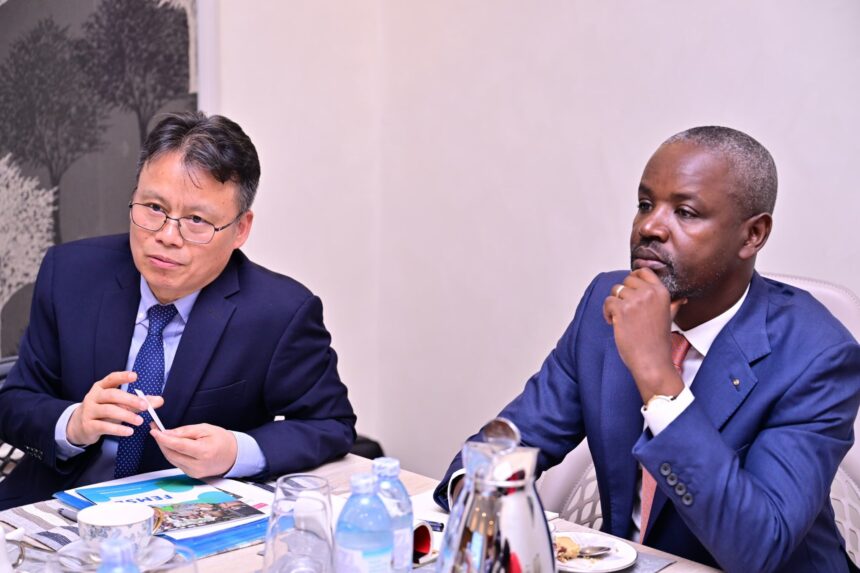
During a meeting with the Minister of Health, Dr. Jane Ruth Aceng, and a delegation from the New South Institute of Traditional Chinese Medicine led by Pan Longhua, Tayebwa welcomed the introduction of the Fast Elimination of Malaria by Source Eradication (FEMSE) initiative as a potential game-changer in Uganda’s public health landscape.
The discussions focused on Uganda’s progress in combating malaria and the urgent need for coordinated action to sustain and build on earlier gains. While the country has made notable strides in reducing malaria prevalence over the years, recent findings from the Malaria Indicator Survey suggest a worrying reversal, underscoring the need for renewed commitment.
Tayebwa noted that the FEMSE model, which draws on global best practices and lessons from China’s successful malaria elimination journey, offers a promising pathway. The approach combines mass drug administration, mass prevention, early diagnosis, and prompt treatment—strategies that have delivered impressive results elsewhere.
In countries such as Comoros, malaria cases have dropped by as much as 98 percent after adopting similar interventions.

Uganda’s own efforts, including test, treat and track strategies, indoor residual spraying, larviciding, and chemoprophylaxis, have proven effective but remain constrained by funding gaps, limited medical supplies, and behavioral challenges within communities.

Malaria continues to be one of the leading causes of illness across health facilities in Uganda, affecting productivity, livelihoods, and broader national development. However, leaders are optimistic that stronger partnerships and innovation can turn the tide.
“With the FEMSE partnership, we can shift from fragmented interventions to a fully coordinated national response,” Tayebwa emphasized, highlighting the importance of unity among stakeholders.
To drive this agenda forward, the Deputy Speaker proposed a national dialogue followed by a high-level roundtable that will bring together scientists, policymakers, and development partners to agree on a clear and actionable malaria elimination strategy.
He also reaffirmed Uganda’s commitment to working with international partners to mobilize resources and scale up proven interventions, signaling a renewed push toward a malaria-free future.