
Parliament has amended the Building Control (Amendment) Bill, 2025, Cap. 136, introducing stiffer penalties for illegal construction and reforms to streamline building approval processes.
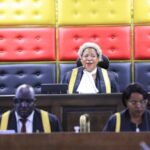
The Bill was passed during Wednesday’s plenary session, 03 September 2025, chaired by Speaker Anita Among.
The legislation redefines the composition and powers of the National Building Review Board, reforms the approval process for building and occupation permits, and regulates the use of unconventional construction technologies.
Under the new law, individuals constructing without valid permits face imprisonment of up to five years and fines of two currency points per square metre (approximately Shs40,000). Similar penalties apply to those who continue construction after their permits have expired.
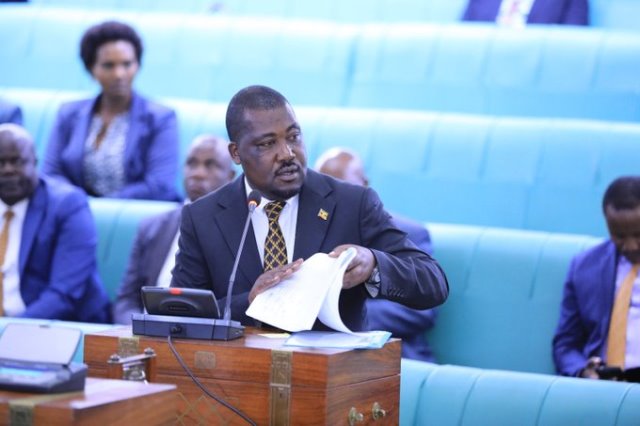
“This will go a long way in addressing the rise in illegal structures and building collapses, which have claimed multiple lives and property,” said Hon. Tony Awany, Chairperson of the Committee on Physical Infrastructure, while presenting the committee’s report.

Attempts by Minister for Local Government Hon. Raphael Magyezi to retain the previous penalty of one currency point per square metre and two years’ imprisonment were rejected by MPs, who argued that stricter measures are necessary to curb unsafe construction practices.

The Bill also empowers applicants to appeal to the National Building Review Board if local Building Committees fail to issue permits within the stipulated timelines.
In line with government proposals, Parliament reduced the National Building Review Board from 16 to 9 members to enhance efficiency, accountability, and reduce costs.
However, MPs rejected proposals to include two public members nominated by the minister and a lawyer from professional associations, noting that legal representation is already provided by the Attorney General’s Chambers.
The approved Board will include representatives from the Ministries of Transport and Works; Labour, Gender and Social Development; Lands, Housing and Urban Development; Local Government; and the Attorney General’s Chambers, along with professionals in engineering, architecture, physical planning, and surveying.
Speaker Anita Among emphasized retaining a representative for persons with disabilities, noting that most buildings currently fail to meet accessibility needs.
“The Bill should be specific with disabilities, to ensure there is a representative to safeguard their interests,” she said.
Meanwhile, Youth Representative Hon. Edson Rugumayo suggested that the representative could also consider other interest groups, including lactating mothers and occupational safety concerns.
If enacted, the revised law is expected to tighten Uganda’s building regulations, enhance accountability in the construction sector, and reduce unsafe developments across the country.